I Tried a 7-Day K-Beauty Barrier Repair Routine: What Actually Helped
This K-beauty barrier repair routine is the reset I use when my skin feels tight, irritated, and overworked. A damaged skin barrier does not always look dramatic at first. For me, it usually starts with small warning signs: cleanser leaves my face feeling tight, moisturizer stings for a few seconds, and products that normally feel comfortable suddenly feel heavy or irritating.
For this 7-day routine, I wanted to keep things simple. No exfoliating acids, no retinoids, no brightening serums, and no glass skin goal. The only goal was to make my skin feel calmer, less tight, and easier to moisturize.
This article is based on a simple barrier-focused routine, not medical advice. If your skin is burning, swollen, peeling badly, or reacting for more than a few days, it is better to stop active products and speak with a dermatologist.
Why I Started a Barrier Repair Routine
The biggest sign that my skin needed a reset was that basic products started feeling uncomfortable.
My cheeks felt tight after cleansing. The area around my mouth looked slightly dry. Even a normal moisturizer felt like it was sitting on top of my skin instead of absorbing smoothly.
That is usually when I know I need to stop chasing results and go back to basics.
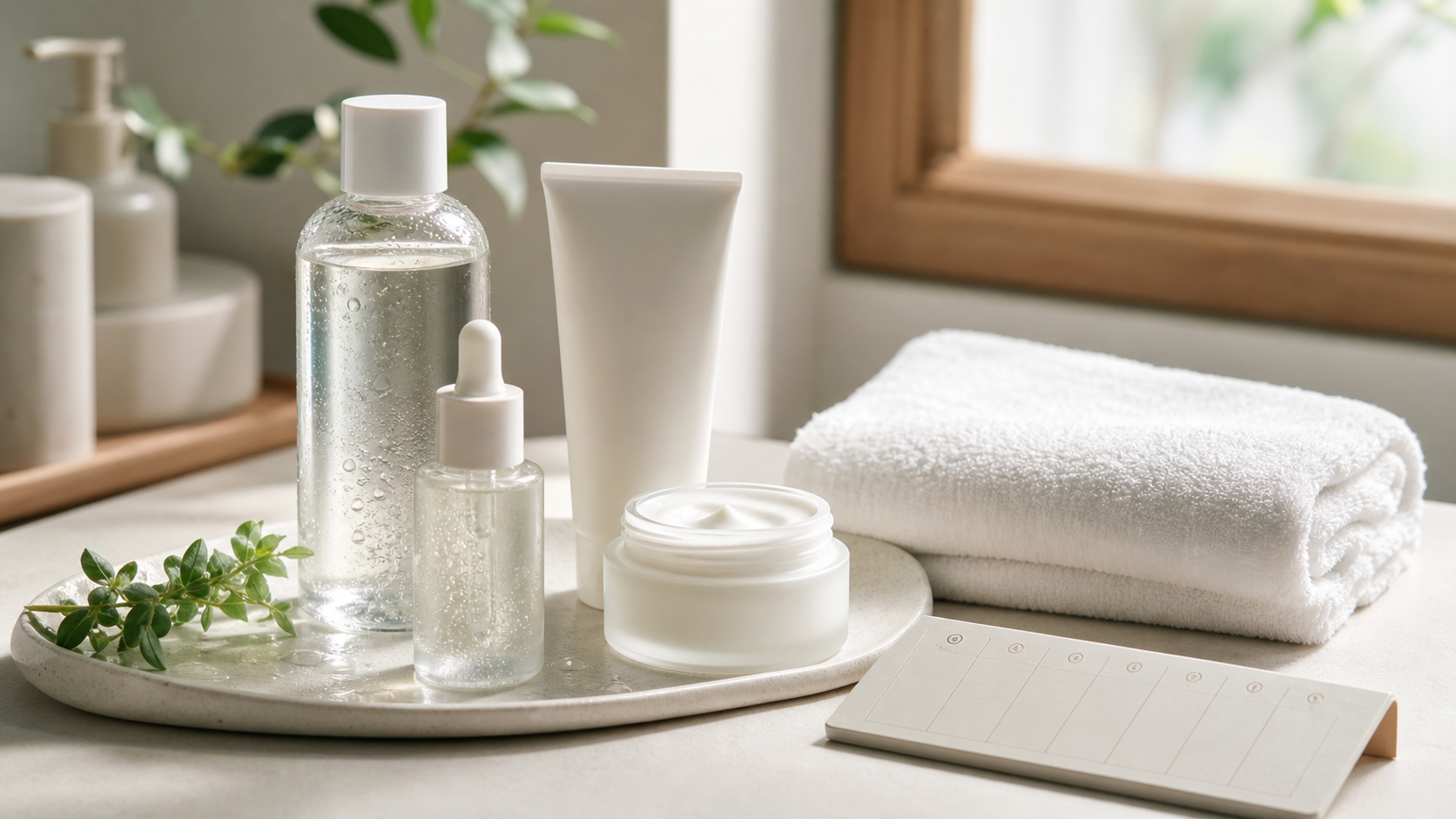
A barrier repair routine is not supposed to be exciting. It should feel boring in the best way possible: gentle cleanser, hydration, moisturizer, sunscreen, repeat.
The Rules I Followed for 7 Days
For one week, I removed every product that could make irritation worse.
I skipped:
- AHA and BHA exfoliants
- Retinol and retinal
- Strong vitamin C
- Clay masks
- Scrubs
- Fragranced wash-off masks
- New products I had never patch-tested
I kept:
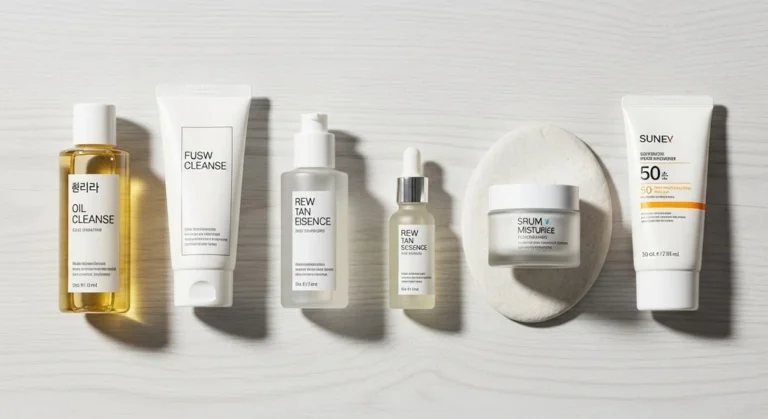
- Gentle cleanser
- Hydrating toner
- Calming serum
- Ceramide moisturizer
- Sunscreen in the morning
The biggest improvement did not come from adding more steps. It came from removing the steps that were making my skin work harder.
My 7-Day Routine
Morning Routine
- Rinse with water or use a very gentle cleanser
- Apply a hydrating toner while skin is slightly damp
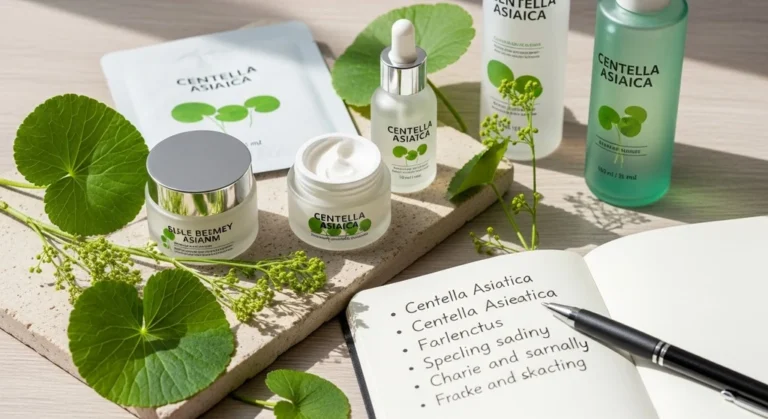
- Use a calming serum with panthenol or centella
- Apply a ceramide moisturizer
- Finish with sunscreen
Night Routine
- Use a gentle cleanser
- Apply hydrating toner
- Use a barrier serum or ampoule
- Apply moisturizer
- Add a small amount of balm only on dry patches if needed
I did not use a heavy occlusive all over my face because my skin can get congested. For me, using a richer layer only on dry areas worked better than covering the whole face.
Day 1: Tightness Was the Main Problem
On the first day, my skin did not look terrible, but it felt uncomfortable.
The tight feeling after cleansing was the biggest issue. I shortened my cleansing time and switched to lukewarm water only. That helped more than I expected.
A cleanser does not need to make your skin feel squeaky clean. If your face feels tight immediately after washing, the cleanser may be too stripping for your current skin condition.
What helped on Day 1:
- Shorter cleansing time
- Lukewarm water
- No exfoliating toner
- Moisturizer applied while skin was still damp
Day 3: Hydration Helped, But It Was Not Enough Alone
By Day 3, my skin felt a little less tight, but hydration alone was not enough.
This was the point where I noticed the difference between hydrating the skin and supporting the skin barrier.
A watery toner made my face feel better for a short time. But if I did not seal it with moisturizer, the comfort faded quickly. The best result came from using a hydrating toner first, then a serum, then a moisturizer with barrier-supporting ingredients.
Ingredients that felt most useful:
| Ingredient | Why It Helps | Best For |
|---|---|---|
| Ceramides | Support the skin barrier | Dry, tight skin |
| Panthenol | Helps soothe and hydrate | Sensitive skin |
| Centella Asiatica | Calms visible redness | Reactive skin |
| Beta-Glucan | Adds lightweight hydration | Dehydrated skin |
| Squalane | Softens and reduces moisture loss | Dry or combination skin |
Day 5: My Skin Looked Calmer
By Day 5, the biggest visible change was redness.
My skin was not suddenly perfect, but it looked less reactive. Products also stopped stinging as much.
This is where centella and panthenol made the most sense. They did not give an instant transformation, but they made the routine easier to tolerate.
I also realized something important: when your barrier is stressed, a product that feels active is not always a good thing. Tingling, cooling, heating, or strong fragrance can feel satisfying, but those sensations are not always signs that the product is helping.
Day 7: What Actually Helped
After 7 days, my skin felt more comfortable. The tight feeling after cleansing was lower, moisturizer absorbed better, and dry patches were less obvious.
The biggest improvements came from simple changes:
- I stopped exfoliating completely for one week
- I used a gentle cleanser only once a day
- I applied moisturizer while my skin was still damp
- I used ceramides and panthenol instead of trendy actives
- I kept the morning routine very simple
The least helpful thing was layering too many watery products. After two hydrating layers, adding more did not make my skin feel better. It only made the routine longer and harder to repeat.
What I Would Avoid During Barrier Repair
Some ingredients are useful in normal routines but poorly timed when your barrier is already stressed.
I would avoid:
- Peel pads
- Strong exfoliating toners
- Retinoids
- High-strength vitamin C
- Scrubs
- Clay masks
- Strong fragrance
- Trying several new products at once
The goal is to reduce variables. If you change six products at the same time, you will not know what helped and what caused irritation.
Who This Routine Is Best For
This routine is best for someone whose skin feels:
- Tight after cleansing
- Dry around the mouth or cheeks
- Mildly irritated
- Over-exfoliated
- Sensitive to products that usually feel fine
It is not enough for severe skin problems. If your skin is cracked, bleeding, swollen, or painfully inflamed, skincare content online should not replace professional care.
What I Would Do Differently Next Time
Next time, I would take a photo on Day 1 and Day 7 under the same lighting. The improvement was easier to feel than to describe, and photos would make the comparison clearer.
I would also start with fewer products from the beginning. A cleanser, toner, moisturizer, and sunscreen are enough for the first few days. A serum can be added later if the skin is tolerating the basics well.
Final Verdict
A good K-beauty barrier repair routine is not about using more products. It is about removing irritation, keeping hydration simple, and giving your skin enough time to feel normal again.
After 7 days, my skin was not flawless, but it was calmer and more comfortable. For a damaged barrier, that is the real first sign of progress.