Korean Skincare Expiration Dates: How to Read the Label
Read Korean use-by dates and open-jar symbols, work out which date to follow, and check product-specific exceptions before opening your next bottle.

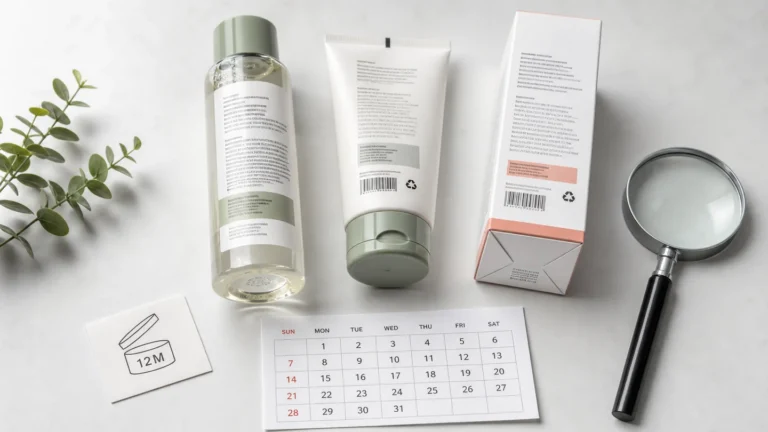
Read Korean use-by dates and open-jar symbols, work out which date to follow, and check product-specific exceptions before opening your next bottle.
U.S. shopper note: Korean brands use panthenol in toners, ampoules, masks, and creams, but most do not publish an exact percentage. Compare the complete formula and texture instead of assuming that the product with the largest "B5" claim is automatically better. Panthenol is one of those ingredients that rarely gets the dramatic launch campaign. It…
U.S. shopper note: Peptide percentages and test methods are often missing from product pages. Compare the full formula, packaging, price per ounce, and whether the product replaces anything in your routine before paying more for the word "peptide." Note: This article is general skincare education, not medical advice. Peptides can support the look of smoother,…
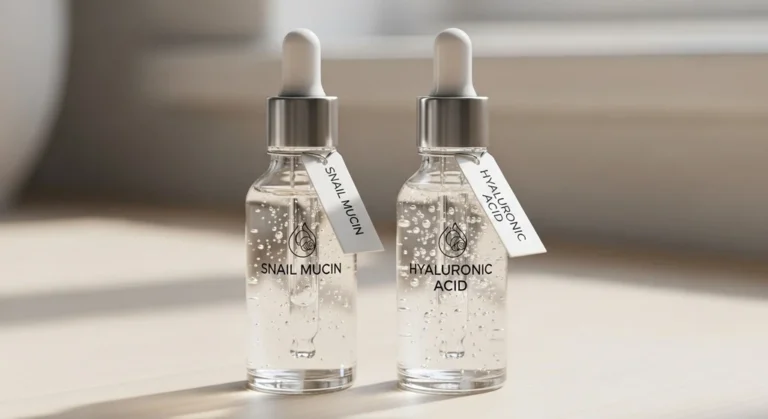
U.S. shopper note: Snail mucin and hyaluronic acid are not interchangeable for every buyer. Shoppers who avoid animal-derived ingredients should skip snail mucin, while anyone with a history of reactions should patch test either formula. FTC note: This article may contain affiliate links, which means K-Glow Insider may earn a commission if you buy through…
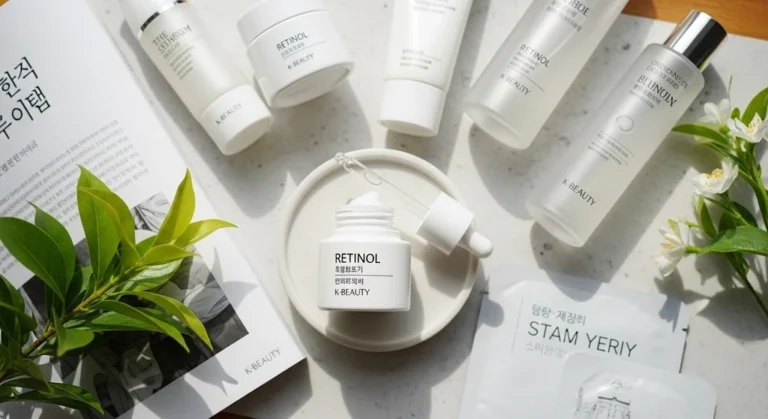
This guide is general skincare education only. Retinoids are not for everyone; avoid them during pregnancy or nursing unless a qualified clinician tells you otherwise, and stop if irritation becomes severe. U.S. shopper note: Korean retinol and retinal products vary widely in strength and delivery system. Check the exact active, concentration when disclosed, package size,…
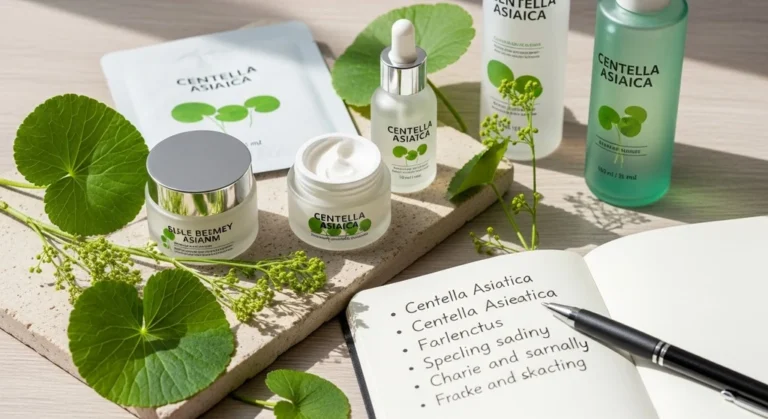
U.S. shopper note: Korean labels may use centella extract, madecassoside, asiaticoside, asiatic acid, or madecassic acid. These names are related but not identical, so compare the actual ingredient list rather than relying on the word "cica." Centella asiatica is popular in K-beauty because it answers a common skin-care need: calming skin without making the routine…
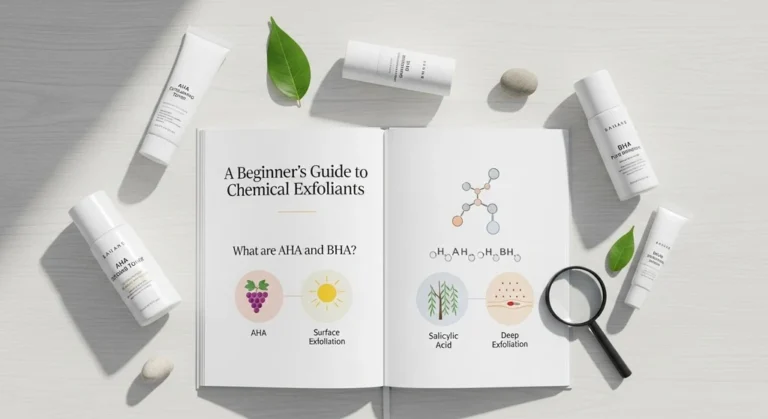
This guide is for general skincare education, not medical advice. Chemical exfoliants can irritate skin if overused, so patch test first and pause if your skin burns, peels, or stings. U.S. shopper note: For beginners, choose either an AHA or a BHA first, not both in the same week. The best Korean exfoliant is the…
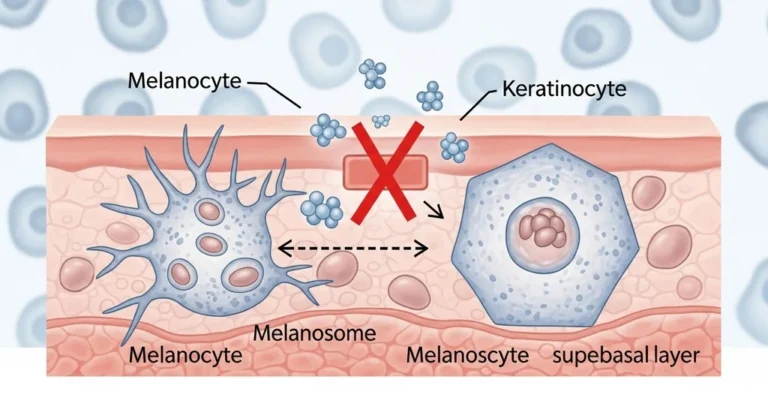
If your goal is brighter, more even skin, both niacinamide and vitamin C can help — but they work at different stages of the pigmentation process, and that difference should drive your choice. Niacinamide is the more practical, low-maintenance option for most skin types, including sensitive and oily. Vitamin C delivers stronger antioxidant protection and…

U.S. shopper note: Flat post-acne marks and indented or raised scars are different concerns. This guide focuses on cosmetic ingredients used for the appearance of flat PIH and PIE marks; it does not claim that skincare can rebuild indented scars. How to Fade Acne Scars: K-Beauty Ingredients That Actually Work (PIH & PIE Guide) The…
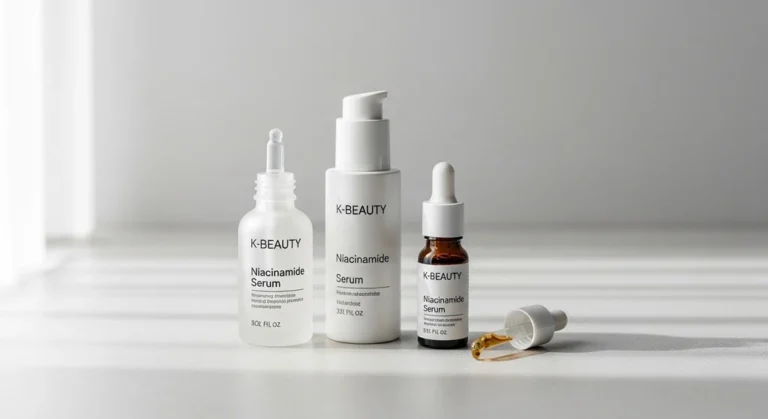
U.S. shopper note: This editorial guide compares how niacinamide is used in Korean formulas and what oily-skin shoppers should check before adding another serum. Is Niacinamide Good for Oily Skin? A K-Beauty Expert’s Guide Yes, niacinamide is an excellent ingredient for oily and acne-prone skin. This form of Vitamin B3 works by regulating sebum production…