
Is Niacinamide Good for Oily Skin? A K-Beauty Expert’s Guide
Is Niacinamide Good for Oily Skin? A K-Beauty Expert’s Guide
Yes, niacinamide is an excellent ingredient for oily and acne-prone skin. This form of Vitamin B3 works by regulating sebum production to control shine, visibly minimizing enlarged pores, and soothing inflammation from breakouts. It tackles the primary concerns of oily skin while also reinforcing the skin barrier, leading to a more balanced and healthy complexion overall.
Niacinamide for Oily Skin: At a Glance
- Main Benefits: Controls excess sebum, refines the appearance of pores, reduces inflammation and redness, strengthens the skin barrier, and improves uneven skin tone.
- Best For: Oily, combination, and acne-prone skin types. Especially effective for those dealing with post-acne marks (post-inflammatory hyperpigmentation).
- Recommended Concentration: Beginners should start with 2-5% to build tolerance. For more persistent issues like significant oiliness or stubborn marks, 10-15% can be highly effective.
- How to Use: Apply onto cleansed and toned skin, before your moisturizer. It is stable and can be used in both morning and evening routines.
- Points to Check: Always patch-test new products. While uncommon, high concentrations can cause a temporary “niacin flush” (redness). Use with caution if pairing with a low-pH, high-concentration L-Ascorbic Acid (Vitamin C).

Why Niacinamide Is a Key Ingredient for Oily Skin
This ingredient stands out because it addresses the root causes of oily skin concerns—excess oil and stretched pores—without stripping the skin of essential moisture.
Its primary mechanism involves moderating sebum output from the sebaceous glands, helping to keep your skin looking less greasy throughout the day. Furthermore, it helps improve skin elasticity. This is crucial for oily skin, as it allows pores that have been stretched by excess oil and debris to “tighten” and appear smaller. Its anti-inflammatory properties are also a major benefit, calming the redness associated with acne and helping to fade the dark spots that breakouts often leave behind.
Comparing Top K-Beauty Niacinamide Serums
The right choice depends entirely on your skin’s current condition and your main goal, whether that’s aggressive oil control, calming sensitivity, or fading pigmentation.
Korean beauty brands offer a wide range of niacinamide serums, each with a distinct formulation strategy. Some target maximum potency with high concentrations, while others blend it with complementary ingredients like propolis or yuja extract for synergistic effects. Based on my analysis, these three products represent the best options for different oily skin concerns.
| Product | Niacinamide % | Key Paired Ingredients | Recommended For | Texture |
|---|---|---|---|---|
| COSRX The Niacinamide 15 Serum | 15% | Zinc PCA, N-Acetylglucosamine (NAG) | Intensive sebum control and managing active breakouts. A good choice for very oily skin. | Lightweight, watery liquid |
| Beauty of Joseon Glow Serum | 2% | Propolis Extract (60%) | Calming inflamed, sensitive, acne-prone skin while providing hydration and a healthy glow. Ideal for beginners. | Slightly viscous, honey-like |
| SOME BY MI Yuja Niacin Blemish Care Serum | 5% | Yuja Extract (82%), Glutathione | Fading post-acne marks (PIH) and brightening a dull, uneven skin tone. | Hydrating, lightweight gel |
How to Fit Niacinamide into Your Skincare Routine
Proper layering ensures the ingredient can penetrate the skin effectively and deliver its full benefits.
Always apply your skincare products from the thinnest consistency to the thickest. Niacinamide serums are typically water-based and lightweight, so their ideal placement is after cleansing and toning. This allows the active to be absorbed without being hindered by heavier creams. Follow up with your preferred moisturizer to lock in the serum and hydrate your skin. If your oily skin also feels dehydrated, layering a hyaluronic acid serum before your niacinamide can provide an extra boost of oil-free hydration.
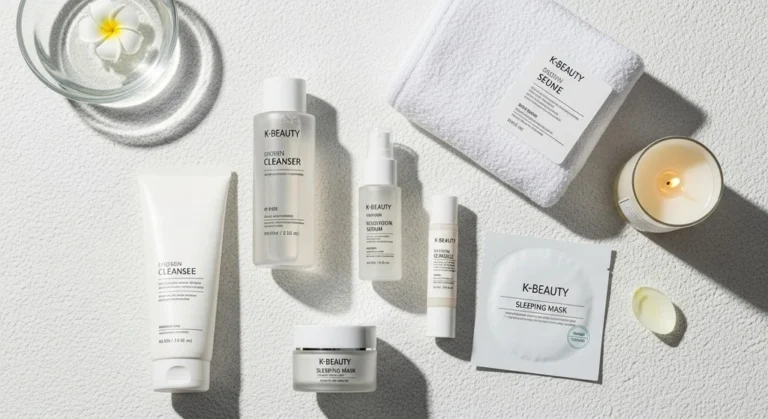
Here is a sample K-Beauty routine structure:
- Oil Cleanser (Evening) & Water-Based Cleanser
- Toner
- Niacinamide Serum
- (Optional: Other treatments or essences)
- Moisturizer
- Sunscreen (Morning)

What to Check Before Using: Potential Side Effects
While niacinamide is generally very well-tolerated, it’s always smart to introduce any new active ingredient to your routine with care.
A reaction sometimes discussed is the “niacin flush,” where the skin becomes temporarily red and feels warm shortly after application. This is a harmless reaction caused by blood vessel dilation and is more likely with concentrations over 10%. To avoid this and check for any other sensitivity, I always recommend performing a patch test. Before applying a new product to your face, test it on a small area like your inner arm or behind your ear for 24 hours. If you’re new to the ingredient, starting with a 2-5% concentration is the safest approach.
Frequently Asked Questions (FAQ)
- Can I use niacinamide every day?
- Absolutely. Niacinamide is very stable and suitable for daily use, both morning and night. In fact, consistent application is essential to see noticeable results in oil control and skin texture.
- How long does it take for niacinamide to show results on oily skin?
- You can often see a reduction in surface oiliness within 2 to 4 weeks. For more significant changes, like improved pore appearance and fading of dark spots, it typically takes 8 to 12 weeks of consistent use.
- Is a higher percentage of niacinamide always better?
- Not necessarily. While high concentrations (10%+) are effective for tackling severe oiliness, studies show that even 2-5% is highly effective for barrier support and texture improvement. My advice is to choose a percentage based on your specific concern and skin tolerance, rather than assuming higher is always superior.
- Should I avoid using niacinamide with Vitamin C?
- This is a long-standing debate. The initial concern was that mixing niacinamide with pure, low-pH Vitamin C (L-Ascorbic Acid) could create nicotinic acid and cause irritation. However, modern, well-formulated products are very stable. If you have very sensitive skin, or just to be cautious, you can use them at different times—for example, Vitamin C in the AM and niacinamide in the PM.
Skincare Specialist’s Quick Take
If you are new to niacinamide or have sensitive, breakout-prone skin, my recommendation is the Beauty of Joseon Glow Serum. Its lower 2% concentration combined with calming propolis is a perfect introductory formula. For those with resilient skin whose primary goal is aggressive oil control and targeting stubborn pore concerns, the COSRX The Niacinamide 15 Serum is a powerful and effective choice.