Korean Skincare for Fungal Acne-Prone Skin: Products and Ingredients to Watch
This guide is for general skincare education only and is not medical advice. Bumps that look like fungal acne can have different causes, so see a dermatologist for diagnosis or treatment.
FTC note: This article may contain affiliate links. If you buy through them, K-Glow Insider may earn a commission at no extra cost to you.
Korean skincare products for fungal acne-prone routines are usually lightweight, water-based formulas that avoid heavy oils, rich fatty acids, and many fatty esters that may aggravate Malassezia-prone bumps. A lower-risk starting point is a simple routine: gentle cleanser, hydrating toner or essence, gel moisturizer, and a sunscreen you have checked against the current ingredient list.
Quick Answer
- Best ingredients to look for: glycerin, panthenol, hyaluronic acid, beta-glucan, allantoin, centella, green tea, snail mucin, and lightweight humectants.
- Main benefit: helps support a calmer-looking skin barrier without adding a heavy lipid layer.
- Best for: oily, combination, humid-weather, sweat-prone, and bump-prone skin.
- Important caution: “fungal acne safe” is not an official medical or regulatory label, and formulas can change without warning.
- Expected timeline: skin may feel less heavy within days; fewer new product-triggered bumps may take 2-4 weeks if the trigger is removed.
What “Fungal Acne Safe” Means
“Fungal acne safe” means a product is less likely to worsen Malassezia folliculitis based on its ingredient profile. It does not mean the product treats the condition or replaces a dermatologist’s diagnosis.
Fungal acne is a common nickname for Malassezia folliculitis, which can look like small, similar-sized, itchy bumps, often on the forehead, chest, back, shoulders, or hairline. Because Malassezia is lipid-loving, many people do better when they temporarily remove rich oils, heavy balms, and creamy leave-on layers from their routine.
Ingredients to Use and Avoid
The easiest way to shop is to choose short, water-based formulas and be careful with ingredients that add long-chain oils or a rich fatty texture. This matters most for leave-on products such as creams, ampoules, sleeping masks, and sunscreens.
| Category | Usually better choices | Use caution with |
|---|---|---|
| Hydration | Glycerin, hyaluronic acid, beta-glucan, panthenol, aloe, snail mucin | Thick creams built around oils, butters, or rich emollient blends |
| Soothing | Centella asiatica, allantoin, green tea, madecassoside, heartleaf | Essential oils, fragrance-heavy products, and strong exfoliating blends |
| Texture support | Low-strength BHA, gentle PHA, niacinamide if tolerated | Layering multiple acids, scrubs, or high-strength actives on irritated skin |
| Ingredients to check closely | Simple humectant gels and oil-free serums | Plant oils, coconut oil, olive oil, shea butter, fatty acids, polysorbates, and many fatty esters |
Use this table as a screening tool, not a diagnosis. If your bumps are itchy, uniform, and keep returning despite typical acne care, ask a dermatologist whether Malassezia folliculitis may be the issue.
Korean Product Types to Consider
The best Korean products for fungal acne-prone skin are usually simple support products, not dramatic treatment products. Always check the brand or retailer ingredient list before buying, because reformulations can change whether a product still fits this routine.
| Routine step | K-beauty product type to consider | What to look for |
|---|---|---|
| Cleanser | Low-pH gel cleanser | Gentle surfactants, non-stripping finish, no heavy residue after rinsing |
| Toner | Hydrating watery toner | Glycerin, panthenol, centella, heartleaf, green tea, or beta-glucan |
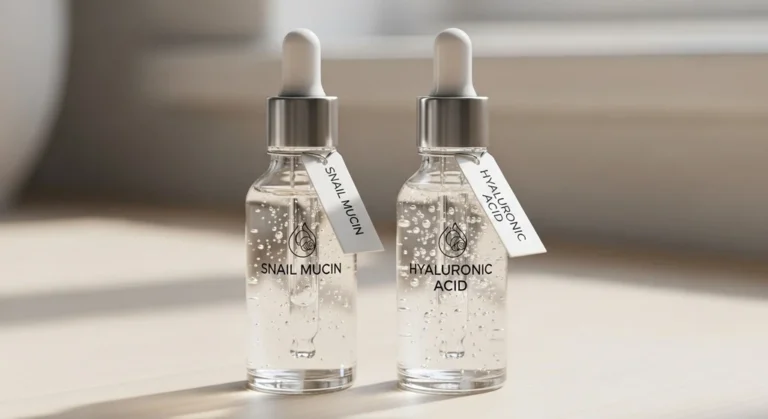
| Essence | Simple snail mucin or humectant essence | Short ingredient list, water-based texture, no added plant oils |
| Moisturizer | Gel moisturizer or light gel-cream | Oil-free feel, fast dry-down, barrier-supporting humectants |
| Sunscreen | Light Korean sunscreen after ingredient check | No rich oil finish; patch test because sunscreen formulas often contain esters |
If you are rebuilding your routine, start with cleanser, moisturizer, and sunscreen before adding essences or serums. A product can be excellent for dry or acne-prone skin and still be a poor fit for Malassezia-prone bumps if the emollient system is too rich.
Simple Fungal Acne-Prone Routine
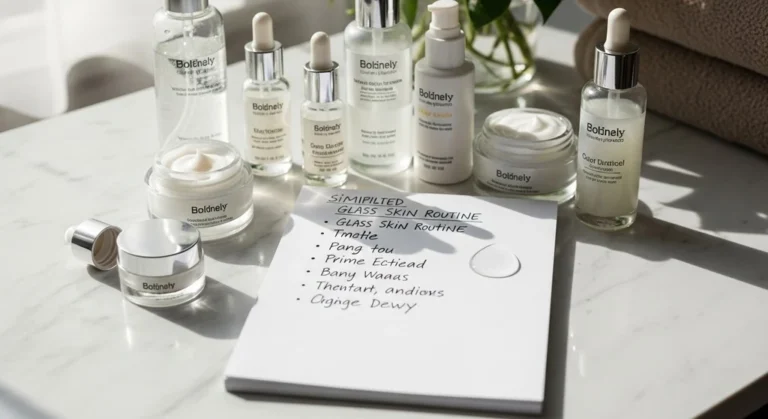
A fungal acne-prone K-beauty routine should be simple at first. The goal is to reduce possible triggers long enough to see whether your skin calms down.
Morning Routine
- Rinse with water or use a gentle low-pH cleanser if you wake up oily.
- Apply one thin layer of a watery toner or hydrating essence.
- Use a gel moisturizer only where your skin feels tight.
- Finish with sunscreen, and check the formula carefully before relying on it daily.
Night Routine
- Cleanse thoroughly, especially after sunscreen, sweat, or makeup.
- Use one hydrating step instead of several layers of toner, ampoule, and mask.
- Apply a light moisturizer and stop there.
- If a clinician has recommended an antifungal wash or treatment, use it as directed rather than replacing it with cosmetic skincare.
Common Mistakes
The biggest mistake is treating every tiny bump as ordinary acne and adding more acids, oils, or occlusive creams. With Malassezia-prone skin, simplifying often gives clearer information than adding another active.
- Using cleansing balms every night: Many balm formulas rely on oils and fatty esters, so switch to a lighter cleanser if your bumps cluster around oily areas.
- Choosing “barrier repair” creams blindly: Ceramide creams can help with dryness, but some formulas are too rich for fungal acne-prone skin.
- Ignoring hair products: Leave-in conditioner, hair oil, and styling cream can transfer to the forehead, temples, neck, and back.
- Changing too many products at once: Remove likely triggers first, then test one new product at a time for at least one to two weeks.
FAQ
These are the questions to answer before you buy another Korean skincare product for fungal acne-prone skin.
Are ferments bad for fungal acne?
Not always, but fermented ingredients can be unpredictable for some reactive skin types. If your skin is actively bumpy or itchy, pause ferments first and reintroduce them later only after your routine is stable.
Can I use niacinamide?
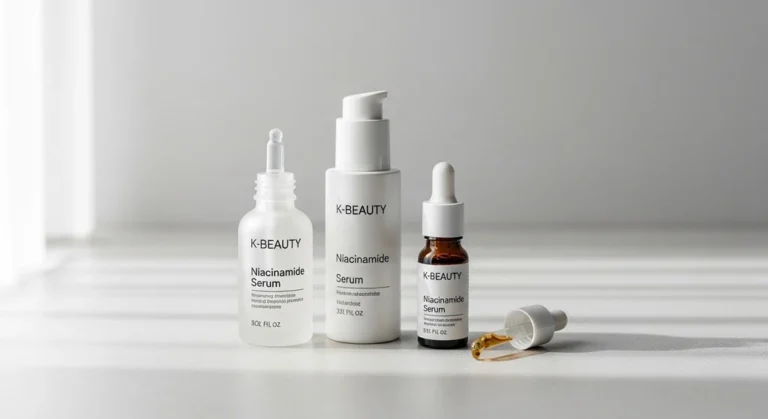
Yes, if your skin tolerates it. Choose a moderate formula and avoid pairing it with a heavy cream if you are trying to isolate fungal acne triggers.
What if every sunscreen breaks me out?
Sunscreens are tricky because many use esters for elegance and spreadability. Patch test on one cheek or along the jawline for several days, and keep the rest of your routine unchanged while testing.
Bottom Line
Choose Korean skincare products for fungal acne-prone routines if your skin gets small, itchy, uniform bumps after rich creams, oils, balms, or humid-weather layering. Hold off on complicated K-beauty routines if your skin is inflamed, painful, spreading quickly, or not improving; that is the point to get medical guidance.
Sources: Allure dermatologist overview on fungal acne-safe skincare; SELF overview of Malassezia folliculitis symptoms and treatment context.