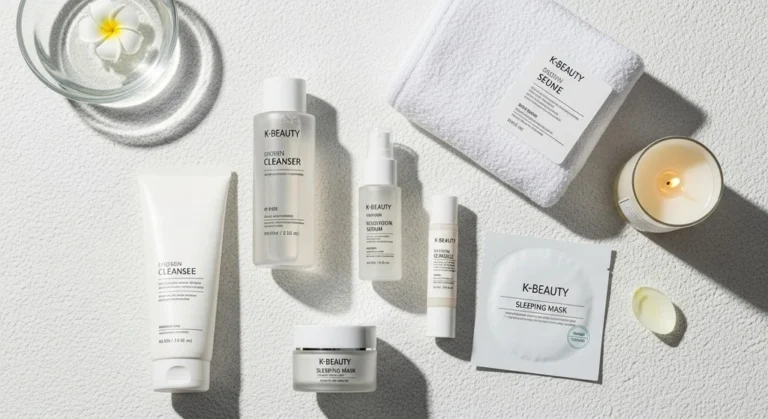
Double Cleansing Explained: Why One Face Wash May Not Be Enough
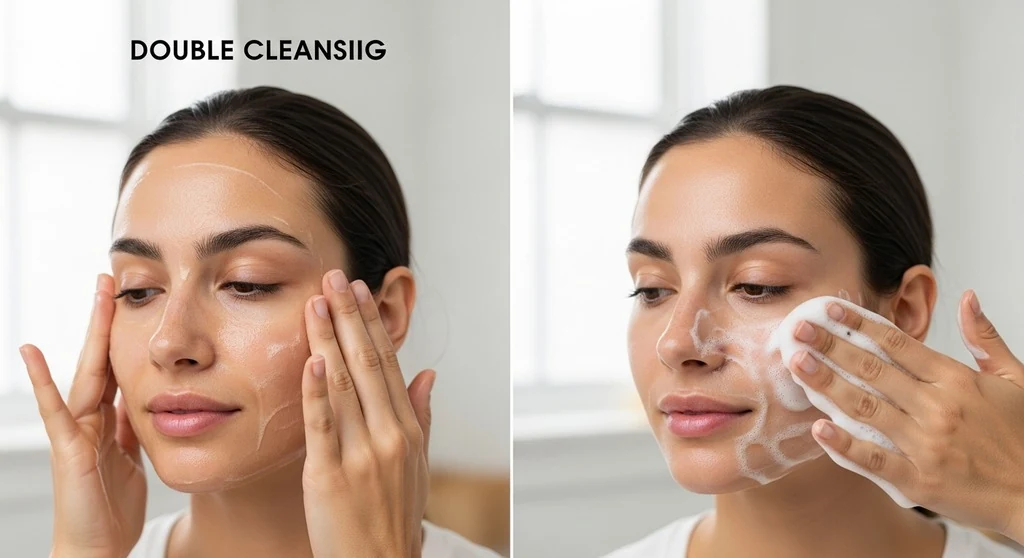
Double cleansing means washing your face in two steps: first with an oil-based cleanser to dissolve sunscreen, makeup, sebum, and long-wear residue, then with a gentle water-based cleanser to remove sweat and leftover film. One cleanser is not always enough because water-based face washes often struggle with oil-soluble buildup, especially at night. You do not need it every morning, but it is useful when your skin has SPF, makeup, or heavy daily buildup on it.
FTC note: This article may contain affiliate links. If you buy through them, K-Glow Insider may earn a commission at no extra cost to you.
Quick Summary
- Ingredients to look for: lightweight cleansing oils, emulsifiers, glycerin, panthenol, centella, green tea, and low-pH gentle surfactants.
- Main benefit: better removal of sunscreen, makeup, excess oil, and city grime without relying on one harsh cleanser.
- Best for: daily sunscreen users, makeup wearers, oily skin, combination skin, and anyone using long-wear base products.
- Use with care if: your barrier is irritated, your skin stings after washing, or you are overusing exfoliating acids and retinoids.
- Expected result time: skin should feel cleaner immediately; fewer clogged-looking areas may take 2 to 4 weeks of consistent, gentle use.
- Typical US price range: about $12 to $30 per cleanser, depending on size, retailer, and sales.
What Double Cleansing Means
Double cleansing is a nighttime cleansing method that separates oil-soluble removal from water-based cleansing. The goal is not to scrub twice; it is to use two mild steps that each do a different job.
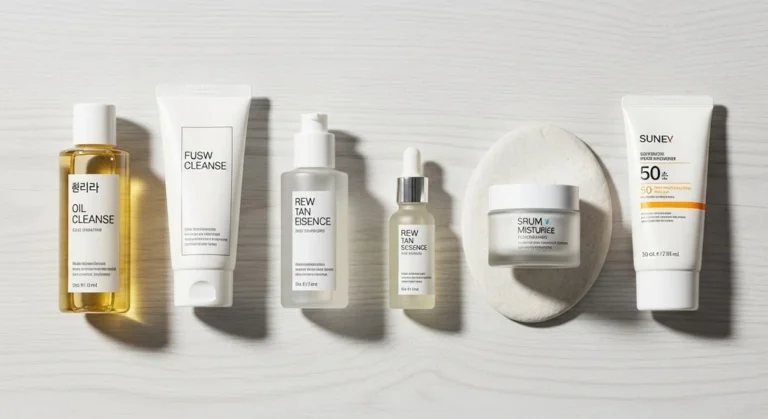
The first cleanser is usually a cleansing oil, balm, or micellar water. It breaks down sunscreen filters, foundation, mascara, sebum, and oily residue. The second cleanser is a gel, foam, cream, or milk cleanser that rinses away sweat, remaining residue, and the first cleanser itself.
Why One Cleanser Often Falls Short
One cleanser can work on bare skin, but it may leave behind water-resistant sunscreen or makeup unless it is strong enough to remove everything. That stronger cleanse can be drying for daily use.
This is why double cleansing became a core K-beauty habit: the first step handles stubborn residue while the second step stays gentle. In a practical routine, skin should feel clean and comfortable afterward, not tight, squeaky, or shiny from leftover oil.
How to Double Cleanse
The best double cleanse is short, gentle, and done mostly at night. If your skin feels stripped afterward, the problem is usually the product choice, water temperature, or massage time.
| Step | What to use | How long | What it removes | Watch-out |
|---|---|---|---|---|
| First cleanse | Cleansing oil, balm, or micellar water | 30 to 60 seconds | Sunscreen, makeup, sebum, long-wear residue | Apply oil or balm to dry skin before adding water. |
| Emulsify | Water added to oil or balm | 10 to 20 seconds | Breaks the oil phase into a milky rinse | Skipping this step can leave a film. |
| Second cleanse | Gentle gel, foam, cream, or milk cleanser | 20 to 40 seconds | Sweat, residue, leftover cleanser | Avoid harsh scrubbing or very hot water. |
| After cleansing | Toner, serum, moisturizer, or treatment | Within a few minutes | Supports comfort after washing | Moisturize promptly if your skin is dry or tight. |
This routine helps you identify whether your issue is removal or irritation. If sunscreen still feels present after one wash, add a first cleanse. If your face feels tight after double cleansing, keep the two-step format but switch to gentler textures and shorten massage time.
Which Products to Use
Choose the first cleanser based on what you need to remove, then choose the second cleanser based on your skin type. The cleanser pair matters more than using the most expensive product.
| Skin or routine need | First cleanse option | Second cleanse option | Good fit |
|---|---|---|---|
| Daily sunscreen, normal to combination skin | Beauty of Joseon Ginseng Cleansing Oil | Round Lab 1025 Dokdo Cleanser | A balanced routine that removes SPF without a heavy finish. |
| Heavy makeup or long-wear base | Heimish All Clean Balm | Etude SoonJung pH 6.5 Whip Cleanser | Better for breaking down foundation and eye makeup before a mild second cleanse. |
| Oily or clog-prone skin | Ma:nyo Pure Cleansing Oil | COSRX Low pH Good Morning Gel Cleanser | Useful when skin feels oily by evening but still needs a non-stripping rinse. |
| Dry or sensitive skin | Micellar water or a fragrance-free cleansing balm | Cream or milk cleanser | A softer option when oil cleansers or foams leave skin uncomfortable. |
Use this as a starting point, not a rulebook. If you wear mineral sunscreen or waterproof makeup, a balm may feel more efficient than a thin oil. If your skin clogs easily, prioritize a first cleanser that emulsifies cleanly and a second cleanser that does not leave your face tight.
Who Should Double Cleanse
Double cleansing is most useful for people who wear sunscreen, makeup, or long-wear base products. It is optional on low-exposure days when your skin is bare and comfortable.
You may benefit from double cleansing if your sunscreen seems to cling after washing, your pores look congested around the nose and chin, or your makeup towel still shows residue after cleansing. Oily skin can use it, but the second cleanser should be gentle enough for daily use. Very dry or barrier-damaged skin may do better with double cleansing only on SPF or makeup days.
Common Mistakes
Most double cleansing problems come from treating it like a deep-cleaning session. The routine should remove residue, not polish the skin.
- Using hot water: warm or lukewarm water is usually more comfortable for the skin barrier.
- Massaging too long: more rubbing does not mean better cleansing and can make sensitive skin feel raw.
- Choosing a harsh second cleanser: if skin feels squeaky, tight, or itchy, the second step may be too drying.
- Skipping emulsification: cleansing oil needs water and massage to turn milky before rinsing.
- Double cleansing in the morning without need: most people only need a gentle morning cleanse or a water rinse, depending on skin type.
FAQ
These are the practical questions that usually decide whether double cleansing belongs in your routine.
Do I need to double cleanse every night?
Not always. Double cleanse at night when you wore sunscreen, makeup, or heavy occlusive products; use one gentle cleanse when your skin is bare and not oily.
Can oily skin use cleansing oil?
Yes, if the cleansing oil rinses cleanly and is followed with a gentle water-based cleanser. If you are acne-prone, patch test and avoid formulas that repeatedly leave bumps or a waxy film.
Is micellar water enough?
Micellar water can be enough for light sunscreen or minimal makeup, especially for sensitive skin. For water-resistant SPF or long-wear foundation, cleansing oil or balm is usually more efficient.
Bottom Line
Double cleansing is worth trying if you wear sunscreen, makeup, or long-wear products and one cleanser leaves residue behind. Hold off or simplify if your skin is irritated, peeling, or tight after washing; in that case, a gentler cleanser pair matters more than adding more steps.
Sources: Vogue cleansing oil guide, Prevention dermatologist face-washing tips, Allure dermatologist sunscreen application guide