How to Layer Skincare Products in the Right Order Without Wasting Money
The best way to layer skincare products is to apply them from thinnest to thickest texture, while separating strong active ingredients so your skin barrier does not get overwhelmed. You do not need a 10-step routine to get results. For most people, cleanser, one targeted treatment, moisturizer, and daily sunscreen do more than a crowded shelf of overlapping products. To avoid wasting money, buy by function instead of category names.
Simple Layering Rule
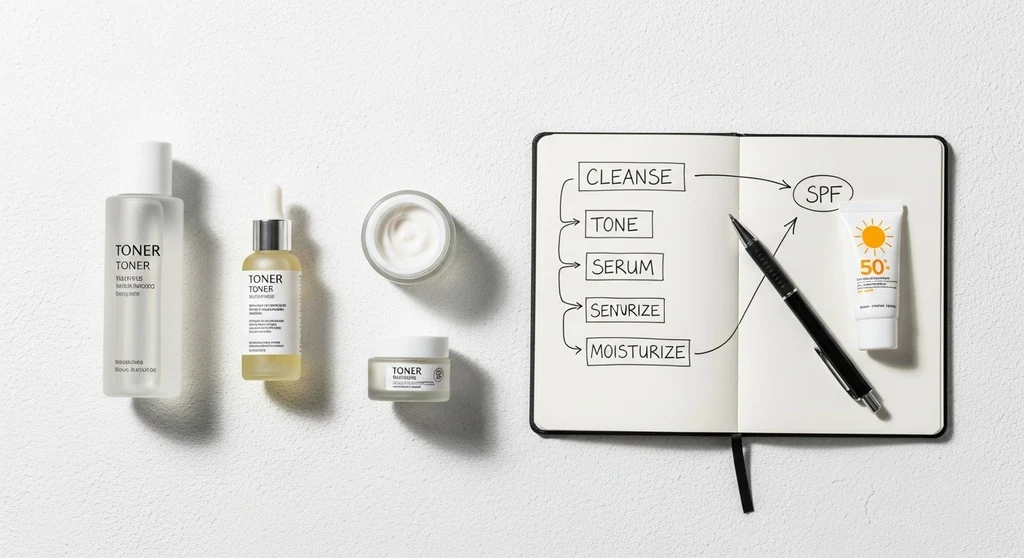
Apply skincare from lightest to heaviest, then use sunscreen as the final morning step. The exception is prescription or dermatologist-directed products, which should follow the instructions you were given.
Think of your routine as layers with different jobs. Watery products add hydration or lightweight treatment, creams reduce water loss, and sunscreen forms the daytime protective layer. If two products do the same job, you usually do not need both.
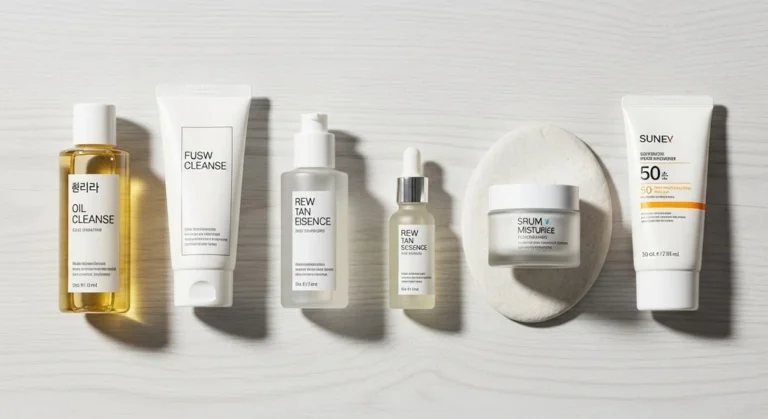
Morning Skincare Order
Your morning routine should protect your skin and keep it comfortable under sunscreen and makeup. Keep it short if products pill, sting, or make your face shiny by noon.
- Cleanser or water rinse: Use cleanser if you wake up oily or used heavy night products. Dry skin may prefer a rinse.
- Hydrating toner or essence: Optional, but useful if your skin feels tight after cleansing.
- Antioxidant or treatment serum: Vitamin C, niacinamide, or calming serums can fit here.
- Moisturizer: Use a gel cream for oily skin or a richer cream for dry skin.
- Sunscreen: Apply as the last step before makeup. Use enough product and reapply when needed.
If your sunscreen pills, the problem is often too many layers underneath, not the sunscreen alone. Try skipping toner, using less serum, or waiting a few minutes before sunscreen.
Night Skincare Order
Your night routine is where cleansing, repair, and stronger treatments usually belong. This is also where people waste the most money by using too many actives at the same time.
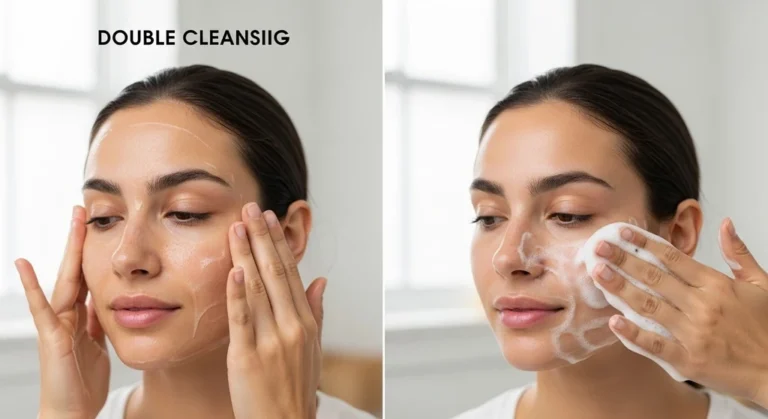
- First cleanse: Use cleansing oil, balm, or micellar water if you wore sunscreen or makeup.
- Second cleanse: Use a gentle water-based cleanser if needed.
- Hydrating toner or essence: Optional, especially helpful before retinoids if your skin gets dry.
- Treatment: Retinoid, exfoliating acid, acne treatment, or brightening serum. Pick one main active per night.
- Moisturizer: Seal in hydration and reduce dryness from treatments.
- Occlusive balm: Optional for very dry patches, not usually necessary for oily or acne-prone skin.
For most people, alternating active nights works better than stacking everything. For example, use a retinoid on Monday, Wednesday, and Friday, then use a gentle exfoliant once weekly if your skin tolerates it.
What Each Product Should Do
The easiest way to save money is to assign each product one clear purpose. A routine becomes expensive when toner, essence, ampoule, serum, and cream all promise the same hydration or brightening benefit.
| Step | What It Should Do | When It Is Worth Buying | When to Skip |
|---|---|---|---|
| Cleanser | Remove sunscreen, makeup, oil, and daily buildup without leaving skin tight. | You wear sunscreen daily or your current cleanser leaves residue. | Your skin feels stripped, squeaky, or irritated after washing. |
| Toner or essence | Add lightweight hydration or calming support. | Your skin feels tight before serum or moisturizer. | Your serum and moisturizer already keep your skin comfortable. |
| Serum | Target one concern such as dullness, uneven tone, dryness, or clogged pores. | You can name the concern and choose an ingredient that fits it. | You are buying it only because it is trending. |
| Moisturizer | Support the skin barrier and reduce water loss. | Your skin feels dry, tight, flaky, or irritated. | Your sunscreen is moisturizing enough in the morning and your skin is oily. |
| Sunscreen | Protect against UV exposure and help prevent uneven tone from worsening. | Every morning, regardless of season or skin type. | Do not skip as a daily habit; change formula if you dislike the feel. |
This table helps you cut products without weakening the routine. If a product does not solve a real problem, improve comfort, or protect your skin, it is probably optional. Spend more carefully on leave-on products that stay on your skin, such as serum, moisturizer, and sunscreen.
Common Layering Mistakes
Most layering problems come from using too many products, mixing strong actives, or applying sunscreen over a slippery base. A routine should feel comfortable within a few minutes, not heavy or unstable.
Using Too Many Hydrating Layers
K-beauty routines can include toner, essence, ampoule, serum, emulsion, and cream, but you do not need every category. If your skin feels sticky or your sunscreen pills, remove one watery layer first.
Stacking Strong Actives
Retinoids, exfoliating acids, benzoyl peroxide, and strong vitamin C can be useful, but stacking them increases the chance of dryness, stinging, and barrier stress. Build tolerance slowly and separate active nights when possible.
Buying Products Before Defining the Problem
Before buying a new serum, write down the specific issue: dehydration, dullness, clogged pores, redness, or dark spots. If you cannot name the job, wait before purchasing.
How to Adjust by Skin Type
The same layering order works for most people, but the number of layers should change by skin type. Oily skin usually needs fewer creamy layers, while dry or sensitive skin may need more barrier support.
| Skin Type | Best Routine Style | Helpful Ingredients | Watch Out For |
|---|---|---|---|
| Dry | Hydrating toner, serum, cream, and sunscreen with a moisturizing finish. | Glycerin, panthenol, ceramides, squalane, hyaluronic acid. | Foaming cleansers and frequent exfoliation. |
| Oily | Light cleanser, optional serum, gel moisturizer, lightweight sunscreen. | Niacinamide, green tea, beta-glucan, lightweight humectants. | Heavy creams under sunscreen and too many dewy layers. |
| Acne-prone | Simple base routine with one acne-focused active at a time. | Salicylic acid, adapalene, azelaic acid, niacinamide. | Constant product switching and pore-clogging makeup removal habits. |
| Sensitive | Short routine with fragrance-free, barrier-supportive products. | Panthenol, centella, madecassoside, ceramides, colloidal oatmeal. | Essential oils, strong acids, and multiple new products at once. |
| Combination | Light layers all over, richer cream only on dry zones. | Glycerin, niacinamide, panthenol, light gel creams. | Using one heavy product everywhere when only cheeks are dry. |
Use this as a buying filter, not a strict rule. If you have oily cheeks but a dry mouth area, treat those zones differently. Layering should follow your skin’s behavior, not just the label on the product box.
When to Skip Products
Skipping a product is often the smartest move when your skin is irritated, your sunscreen pills, or your routine feels expensive without clear results. More steps do not automatically mean better skin.
Skip toner if your serum already hydrates well. Skip essence if it feels identical to your toner. Skip exfoliation when your skin is stinging, peeling, or unusually red. Skip a new active until you can use your current routine for at least two weeks without irritation.
FAQ
These are the skincare layering questions that most often affect comfort, cost, and results.
Should I wait between skincare layers?
You usually do not need a long wait between watery layers. Wait a few minutes before sunscreen if your moisturizer or serum feels slippery, because sunscreen applies better over a settled base.
Do expensive products layer better?
Not always. Texture, ingredient compatibility, and how much product you apply matter more than price. A simple drugstore moisturizer can layer better than a luxury cream if it suits your sunscreen.
What product should I buy first?
Start with sunscreen, cleanser, and moisturizer. Add one treatment serum only after your basic routine feels comfortable and consistent.
Bottom Line
Layer skincare products by texture, choose one product per job, and keep strong actives on a schedule instead of applying them all at once. This approach is best for anyone who wants a practical K-beauty routine with fewer wasted purchases; pause and simplify if your skin feels irritated, tight, or unpredictable.