Centella Asiatica in K-Beauty: Why This Ingredient Is Everywhere
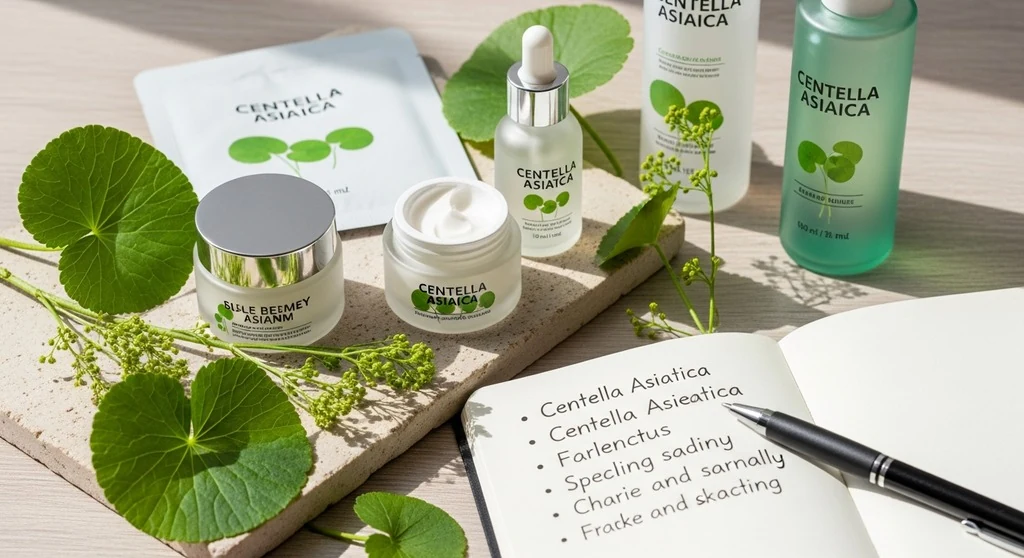
Centella asiatica is popular in K-beauty because it answers a common skin-care need: calming skin without making the routine feel heavy. Also known as cica, tiger grass, gotu kola, or pennywort, it may help reduce the look of redness, support barrier comfort, and make routines with actives feel more balanced.
FTC note: This article may contain affiliate links. If you buy through them, K-Glow Insider may earn a commission at no extra cost to you.
Quick Summary
- Ingredient: Centella asiatica extract, often marketed as cica, tiger grass, gotu kola, or madecassoside-focused care.
- Main benefit: May calm visible redness, support barrier comfort, and reduce the tight feeling that can follow cleansing or active ingredients.
- Best for: Sensitive, combination, oily-dehydrated, redness-prone, and barrier-stressed skin.
- Use with care if: Your skin reacts to botanical extracts, fragrance, essential oils, or richer creams.
- Expected result time: Comfort can improve quickly, while visible redness and texture changes usually need 2 to 6 weeks of consistent use.
- Typical US price range: About $12 to $45 for many K-beauty centella toners, ampoules, creams, and masks.
What Is Centella Asiatica?
Centella asiatica is a botanical ingredient used in skin care for calming, moisturizing, and barrier-supporting formulas. In K-beauty, you will usually see it labeled as centella, cica, tiger grass, gotu kola, madecassoside, or a centella ampoule.
The plant is registered by the USDA as Centella asiatica and is associated with warm, humid tropical and subtropical regions. In cosmetic formulas, the useful question is not just the plant name. Extract quality, companion ingredients, texture, and overall formula design all affect whether the product works well for your skin.
How It Works in Skin Care
Centella is valued because it contains triterpene-related compounds such as asiaticoside, madecassoside, asiatic acid, and madecassic acid. These compounds are often discussed for their association with soothing, antioxidant, and skin-recovery support.
For a daily K-beauty routine, this does not mean centella is a medical treatment. It means the ingredient may help skin feel less reactive while you maintain the basics: gentle cleansing, moisturizer, and sunscreen.
Centella Benefits
The strongest reason to use centella is comfort. It is often chosen when skin looks flushed, feels tight, or needs a less aggressive routine. Its benefits are most convincing when the formula also includes humectants, barrier lipids, and low-irritation textures.
| Skin concern | How centella may help | Best format | What to avoid |
|---|---|---|---|
| Visible redness | May calm the look of irritation and heat-related flushing | Serum, ampoule, gel cream | Fragrance-heavy formulas if your skin reacts easily |
| Weak-feeling barrier | May support comfort when paired with ceramides, panthenol, or glycerin | Cream, balm, sleeping mask | Using too many exfoliants at the same time |
| Oily but dehydrated skin | Can add a soothing layer without necessarily feeling greasy | Watery toner, ampoule, gel moisturizer | Heavy occlusive creams if they clog your pores |
| Post-active sensitivity | May make retinoid, acid, or vitamin C routines feel easier to tolerate | Recovery serum or moisturizer | Applying on actively stinging or broken skin without pausing actives |
Use this table to match the texture to the problem. If your skin is oily and red, a watery centella ampoule is usually easier to layer than a rich cica balm. If your skin feels dry, tight, or over-cleansed, a centella cream with barrier-supporting ingredients is the more practical choice.
Concentration and Formulation
A high centella percentage is not automatically better. The finished formula matters more than a single marketing number because extraction method, supporting ingredients, texture, and irritants all affect how the product feels on skin.
Some K-beauty products use centella water or extract as a major base. Others highlight purified or related compounds such as madecassoside. A formula with centella plus panthenol, glycerin, beta-glucan, allantoin, ceramides, or green tea often makes more sense for sensitive skin than a high-percentage extract paired with fragrance and strong exfoliating acids.
Who It Is Best For
Centella is best for people who want a calming layer in a routine that already includes sunscreen and moisturizer. It is especially useful when skin is reactive but still needs a lightweight, wearable texture.
- Sensitive skin: Look for fragrance-free cica creams or serums with short ingredient lists.
- Acne-prone skin: Choose lightweight ampoules or gels, and avoid rich balms if they tend to clog your pores.
- Dry skin: Use centella inside a cream with ceramides, squalane, panthenol, or cholesterol-like barrier support.
- Retinoid users: Apply centella moisturizer after retinoids or on recovery nights to reduce the feeling of tightness.
- Minimal routines: Pick one centella moisturizer instead of adding several cica products at once.
K-Beauty Product Picks
The best centella product depends on where you want it to sit in your routine: toner, ampoule, cream, or mask. For US shoppers, check the current ingredient list, size, and seller before buying because formulas and pricing can change.
| Product type | Good fit for | What to look for | Example K-beauty angle |
|---|---|---|---|
| Centella ampoule | Oily, combination, or redness-prone skin | Lightweight texture, low fragrance, easy layering | SKIN1004-style single-ingredient or centella-forward ampoules |
| Cica cream | Dry, sensitive, or barrier-stressed skin | Centella plus panthenol, ceramides, or madecassoside | Dr.Jart+-style tiger grass recovery creams |
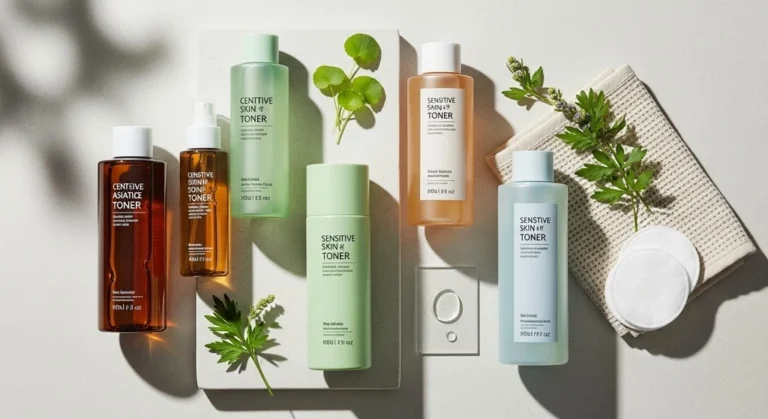
| Soothing toner | Skin that feels hot or tight after cleansing | Watery hydration, glycerin, beta-glucan, no harsh alcohol feel | Layerable K-beauty calming toners |
| Cica mask | Occasional redness, travel dryness, or post-sun discomfort | Short-contact soothing, comfortable fit, non-sticky finish | Centella sheet masks or wash-off calming masks |
This is where routine design matters. If you already own a good moisturizer, start with a centella ampoule instead of replacing everything. If your skin barrier feels fragile, a cream format may give more noticeable comfort than a toner that disappears quickly.
How to Use Centella
Centella is easy to layer because it usually pairs well with hydrating and barrier-supporting ingredients. The safest approach is to add one centella product at a time and keep the rest of your routine stable for at least one to two weeks.
Morning Routine
After cleansing or rinsing, apply a centella toner or serum, then moisturizer if needed, and finish with sunscreen. Centella does not replace SPF, even if the product feels calming after sun exposure.
Night Routine
Use centella after cleansing and before moisturizer, or choose a cica cream as your final step. On retinoid or exfoliation nights, a simple centella moisturizer can help reduce the dry, tight feeling that sometimes follows actives.
Side Effects and Cautions
Centella is generally positioned as gentle, but gentle ingredients can still bother some skin. Patch test if you are reactive, and read the full formula instead of trusting the word “cica” on the front label.
Be more cautious if a centella product also contains fragrance, essential oils, exfoliating acids, drying alcohol, or many botanical extracts. If your skin burns, peels, swells, or develops a persistent rash, stop the product and consider asking a dermatologist for guidance.
FAQ
These are the practical centella questions that come up most often when building a K-beauty routine.
Is centella good for acne-prone skin?
Centella may help acne-prone skin feel calmer, but it does not treat acne like benzoyl peroxide, adapalene, or prescription medications. Choose lightweight, non-greasy formulas if your pores clog easily.
Can centella and niacinamide be used together?
Yes, many routines pair centella with niacinamide because one targets comfort and the other may support tone, oil balance, and barrier function. If your skin is sensitive, avoid starting multiple new active products in the same week.
Is madecassoside better than centella extract?
Not always. Madecassoside is one well-known centella-related compound, but a well-formulated centella extract product can still be useful. Choose based on your skin’s response, texture preference, and full ingredient list.
Bottom Line
Centella asiatica is worth considering if your skin often looks red, feels tight, or needs a calming support step alongside sunscreen, moisturizer, and gentle cleansing. Hold off if your current routine is already irritating your skin; simplify first, then add one fragrance-free centella product once your skin feels stable.
Source: USDA Plants Database, https://plants.usda.gov/plant-profile/CEAS
Source: Agronomy, https://www.mdpi.com/2073-4395/13/8/1999
Source: Verywell Health, https://www.verywellhealth.com/centella-asiatica-8740109
Source: Vogue, https://www.vogue.com/article/tiger-grass-centella-asiatica
Source: Allure, https://www.allure.com/story/best-korean-skin-care-on-amazon-2