How to Minimize the Look of Large Pores with K-Beauty
FTC note: This article may contain affiliate links. If you buy through these links, K-Glow Insider may earn a commission at no extra cost to you.
K-beauty cannot permanently shrink large pores, but it can make them look less obvious by clearing excess oil, smoothing rough texture, and keeping the skin barrier steady. The most useful routine combines gentle cleansing, BHA or PHA exfoliation, niacinamide, lightweight hydration, sunscreen, and sometimes a low-strength retinoid at night. The goal is not pore erasure; it is cleaner-looking, calmer, more even skin.
Why Pores Look Large
Pores look larger when oil, dead skin, makeup, sunscreen, or oxidation collects inside them. Genetics, naturally oily skin, loss of firmness, and UV damage can also make pores more visible over time.
This is why pore strips and harsh scrubs rarely solve the problem. They may remove surface debris for a short time, but they do not improve oil balance, skin texture, or the support structure around pores.
Best K-Beauty Ingredients for Large-Looking Pores
The best K-beauty approach is ingredient-led: clear buildup, calm oiliness, hydrate lightly, and protect collagen with sunscreen. You do not need every active at once.
| Ingredient | What it may help with | Best use | Caution |
|---|---|---|---|
| BHA / salicylic acid | Oily buildup, blackhead-prone areas, rough texture | 1-3 nights per week after cleansing | Can dry or sting if overused |
| Niacinamide | Visible shine, uneven tone, barrier support | Morning or night before moisturizer | High percentages may flush sensitive skin |
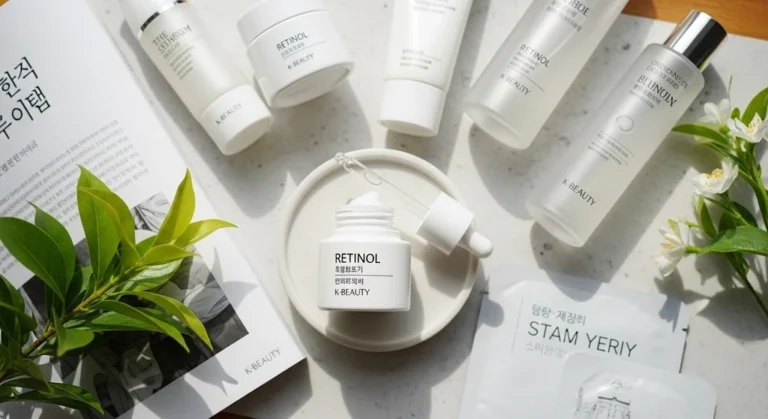
| Retinol or retinal | Texture, firmness, pore support over time | Night routine, 1-2 times weekly to start | Avoid during pregnancy unless cleared by a clinician |
| Clay and red bean powder | Temporary oil absorption and smoother feel | Once weekly as a rinse-off mask | Do not let clay dry until tight or cracked |
| Panthenol, ceramides, heartleaf, cica | Barrier comfort and redness-prone sensitivity | Daily support steps | Choose fragrance-free if reactive |
| Broad-spectrum sunscreen | Helps prevent UV-related texture and firmness changes | Every morning, with reapplication outdoors | Pick a finish you will actually wear |
Use this table to choose one main active and one support step first. If your pores look oily and congested, start with BHA plus a light moisturizer. If they look larger because your skin is dull, uneven, or losing bounce, niacinamide and a beginner retinoid may be more useful.
AM and PM Routine for Large Pores
A pore routine should feel boring in a good way: cleanse, treat, moisturize, and protect. Overloading acids, masks, and retinoids usually makes pores look worse because irritation adds redness and shine.
Morning Routine
- Cleanse lightly: Use a gentle gel cleanser or rinse with water if your skin is dry in the morning.
- Apply niacinamide: Choose a serum or toner with niacinamide if shine and uneven tone are your main concerns.
- Use lightweight moisturizer: Gel creams and water gels often suit oily or combination skin better than heavy occlusives.
- Finish with sunscreen: Pick a Korean sunscreen with a comfortable finish so daily use feels realistic.
Night Routine
- Remove sunscreen and makeup: Use cleansing oil or balm if you wear water-resistant SPF or base makeup.
- Use BHA on selected nights: Apply BHA 1-3 nights weekly, focusing on the nose, chin, and inner cheeks if those areas clog easily.
- Alternate with retinoid nights: Do not start BHA and retinol on the same night if you are new to both.
- Moisturize well: A light barrier cream helps keep exfoliation from turning into dryness.
- Use a clay mask occasionally: Once weekly is enough for many people with oily T-zones.
K-Beauty Product Picks
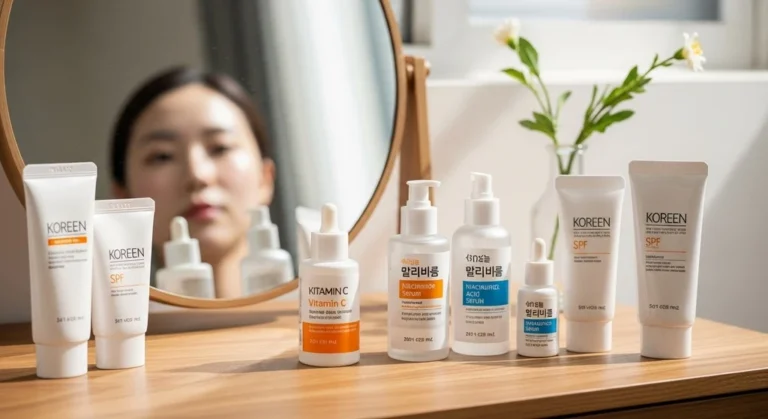
Good pore-care products should solve one job clearly: exfoliate, regulate shine, hydrate lightly, absorb oil, or protect from UV. These picks are practical starting points for U.S. shoppers building a Korean skincare routine.
| Product | Routine role | Best for | How to use |
|---|---|---|---|
| COSRX The Niacinamide 15 Serum | High-strength niacinamide serum | Very oily skin and visible shine | Use a small amount once daily; reduce frequency if flushing or dryness appears. |
| Anua Niacinamide 10 + TXA 4 Serum | Brightening and tone-evening serum | Post-blemish marks with visible pores | Apply before moisturizer in the morning or evening; pair with sunscreen. |
| COSRX BHA Blackhead Power Liquid | Leave-on BHA exfoliant | Blackhead-prone nose and congested T-zone | Start 1-2 nights weekly, then moisturize. |
| Beauty of Joseon Red Bean Refreshing Pore Mask | Rinse-off clay-style mask | Occasional excess oil and dull texture | Use once weekly; rinse before skin feels tight. |
| Beauty of Joseon Red Bean Water Gel | Lightweight gel moisturizer | Oily or combination skin needing hydration without heaviness | Use after serum, morning or night. |
| Round Lab Birch Juice Moisturizing Sunscreen | Daily UV protection | Normal, dry, or combination skin that dislikes heavy SPF | Apply generously every morning and reapply when outdoors. |
Choose products by routine gap, not by trend. If your skin is already dry, skip the strongest niacinamide and start with moisturizer plus sunscreen. If your T-zone clogs but cheeks get tight, apply BHA only where pores look congested instead of treating the whole face.
Common Pore-Care Mistakes
The fastest way to make pores look worse is to irritate the skin around them. Redness, peeling, and dehydration can make texture look sharper even when the product is technically “for pores.”
- Using acids every night: More exfoliation does not mean cleaner pores; it often means a weaker barrier.
- Skipping moisturizer: Oily skin can still be dehydrated, which may make makeup cling and pores look more obvious.
- Expecting pore closure: Pores do not open and close like doors. Aim for less visible buildup and smoother skin.
- Using pore strips repeatedly: They can remove surface plugs temporarily but may irritate the nose area.
- Ignoring sunscreen: UV exposure can contribute to texture and firmness changes that make pores look more noticeable.
How to Adjust by Skin Type
Your skin type decides how often you should use pore-focused actives. The same BHA that works well for an oily T-zone may be too much for dry cheeks.
Oily Skin
Use a gentle gel cleanser, niacinamide serum, lightweight gel moisturizer, and sunscreen daily. Add BHA two or three nights weekly if you have blackheads or clogged-looking pores.
Combination Skin
Treat by zone. Use BHA on the nose, chin, and inner cheeks, then use a slightly richer moisturizer on dry areas so the whole face does not become tight.
Dry or Sensitive Skin
Start with sunscreen, barrier moisturizer, and a low-irritation serum before adding acids. If you want exfoliation, consider a gentle PHA toner or a once-weekly rinse-off mask instead of frequent BHA.
Acne-Prone Skin
If you have inflamed acne, painful cysts, or scarring, use K-beauty as support rather than treatment. A dermatologist can help decide whether prescription retinoids, benzoyl peroxide, azelaic acid, or other acne care is appropriate.
FAQ
Can K-beauty permanently shrink large pores?
No. Pore size is influenced by genetics, oil production, age, and skin structure. K-beauty can help pores look smaller by reducing visible oil, clearing buildup, and improving texture.
Is BHA or niacinamide better for large pores?
Choose BHA if pores look clogged or blackhead-prone. Choose niacinamide if your main issue is shine, redness, or uneven tone. Many people use both, but not necessarily in the same routine.
How fast will I see results?
Oil control can look better within days, while smoother texture usually takes 4-8 weeks. Retinoid-related firmness and texture changes often need 12 weeks or longer.
Bottom Line
K-beauty is worth trying for large pores if you want a steady routine built around BHA, niacinamide, lightweight hydration, and sunscreen. Hold off on strong acids or retinoids if your skin is currently peeling, burning, or medically irritated.