Peptides in Skincare: What They Do and Best K-Beauty Picks
Note: This article is general skincare education, not medical advice. Peptides can support the look of smoother, firmer skin, but they do not replace sunscreen, retinoids, or dermatology care when needed.
Peptides in skincare are short chains of amino acids that may help skin look firmer, smoother, and more hydrated. They are best for gradual support, not instant wrinkle correction, and they work best when your routine already includes gentle cleansing, moisturizer, and daily sunscreen.
Quick Summary
| Core ingredients | Signal peptides, copper peptides, palmitoyl tripeptides, hexapeptides, niacinamide, hyaluronic acid, ceramides, panthenol |
|---|---|
| Main benefits | May support hydration, skin firmness, smoother-looking texture, and softer-looking fine lines |
| Best for | Dry, mature, dehydrated, combination, or early-aging skin; oily skin should choose lightweight gel or watery formulas |
| Use caution if | Your skin is actively irritated, you react easily to multi-active formulas, or the product also contains exfoliating acids or retinal |
| Expected timing | Hydration may feel noticeable within days; firmness and fine-line changes usually need 8-12 weeks of consistent use |
This table helps you decide whether peptides belong in your routine at all. If your main issue is dryness, choose a peptide formula with humectants and barrier support. If your main issue is visible aging, peptides can be supportive, but sunscreen and a consistent nighttime routine still matter more than adding multiple serums.
FTC note: This article may contain affiliate links. If you buy through them, K-Glow Insider may earn a commission at no extra cost to you.
How Peptides Work in Skincare
Peptides are amino acid chains that may help skin look firmer and better hydrated when used in a stable, well-formulated product. In skincare, they are most often used to support the look of elasticity, fine lines, and skin texture rather than to treat a medical condition.
Different peptide families are used for different cosmetic goals. Signal peptides are commonly included in firming formulas, copper peptides are often positioned for repair-support routines, and hexapeptides are usually marketed for smoother-looking expression lines. The important point is that peptides do not work alone; the base formula, delivery system, supporting ingredients, and daily sunscreen all affect the result.
Peptide Benefits for Skin
Peptides may help skin look smoother, plumper, and more resilient, especially when dryness or early loss of firmness is part of the concern. They are usually better viewed as gradual support ingredients, not aggressive resurfacing actives.
- Firmness support: Some peptide formulas are designed to support the look of elasticity and bounce over time.
- Fine-line softening: Hydrating peptide serums may make fine lines look less noticeable by improving surface plumpness.
- Barrier-friendly aging care: Peptides are often easier to tolerate than strong exfoliants or retinoids.
- Hydration support: Many K-beauty peptide products pair peptides with hyaluronic acid, beta-glucan, glycerin, or ceramides.
A 2026 randomized-trial meta-analysis published in PMC found that cosmetic peptides showed potential benefits for hydration, brightness, and wrinkles, while also noting that topical peptide research still needs more standardization and stronger evidence. That matches how I would place peptides in a routine: useful, but not something to judge after a week or use as a replacement for sunscreen.
Why Concentration and Formula Quality Matter
A peptide product is only as good as the full formula around it. Texture, pH, packaging, supporting hydrators, and irritating co-actives can make the difference between a serum you can use daily and one that is too much for your skin.
Unlike ingredients such as niacinamide, peptide products often do not disclose a single easy-to-compare percentage. That does not automatically make them weak. Instead, check whether the formula includes named peptides, whether the texture suits your skin type, and whether the product is built for daily use or for a stronger treatment step.
For dry or mature skin, peptides pair well with ceramides, cholesterol-like barrier lipids, panthenol, beta-glucan, and richer moisturizers. For oily or acne-prone skin, a watery peptide booster or gel serum is usually easier to layer than a thick cream.
Who Should Use Peptides
Peptides are a good fit if you want gentle support for firmness, hydration, or early fine lines without jumping straight into a stronger active. They are less useful if your main concern is clogged pores, active breakouts, or dark spots that need more targeted ingredients.
- Dry skin: Look for peptides with ceramides, hyaluronic acid, beta-glucan, or panthenol.
- Oily skin: Choose lightweight peptide toners, boosters, or gel serums instead of heavy creams.
- Sensitive skin: Start with a fragrance-free or low-active peptide serum and patch test first.
- Mature skin: Peptides can layer well with moisturizer and sunscreen, and may be paired with retinoids if your skin already tolerates them.
If your skin barrier is currently irritated, pause before adding peptides or any new active. A bland cleanser, moisturizer, and sunscreen routine should come first until stinging, burning, or flaking settles.
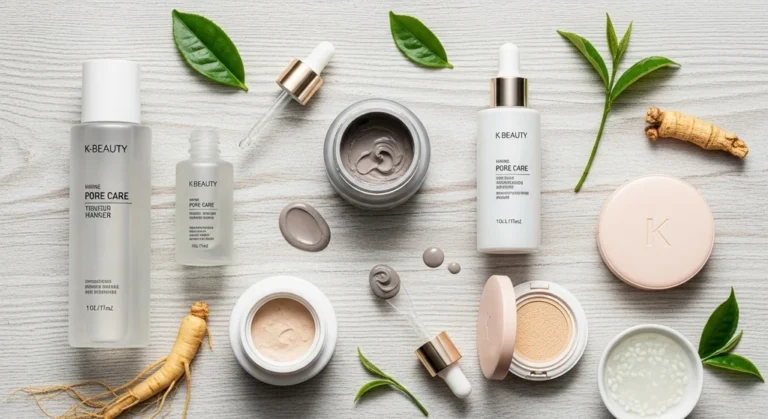
Best K-Beauty Peptide Products
The best K-beauty peptide product depends on whether you want a daily lightweight booster, a pore-focused serum, an exfoliating peptide ampoule, or an eye-area treatment. Do not choose by peptide count alone; choose by your skin type and the other active ingredients in the same bottle.
| Product | Best for | Key formula notes | Use caution if |
|---|---|---|---|
| COSRX The 6 Peptide Skin Booster Serum | Daily lightweight peptide layering | 150 mL; six-peptide complex, niacinamide, and hyaluronic acid; positioned for fine lines, elasticity, texture, and glow | You dislike watery multi-step products or already use several niacinamide formulas |
| Beauty of Joseon Pore Firming Serum | Combination skin, visible pores, and hydration support | Red Bean PDRN, low-molecular peptide, ceramide NP, and beta-glucan; official claims focus on temporary pore appearance improvement | Your skin reacts to newer or complex active blends |
| Medicube Zero Pore One-day Peptide Serum | Oily or textured skin that tolerates exfoliating acids | Ten peptides, AHA/BHA/PHA/LHA, and 2% niacinamide; fragrance- and artificial color-free per brand information | You are sensitive, peeling, using retinoids often, or already exfoliate several times per week |
| Torriden CELLMAZING Pore Perfecting Ampoule | Pore-focused routines that still need hydration | 5D collagen complex, Hexapeptide-2, Palmitoyl Tripeptide-5, PHA, and LHA | You want a very simple peptide-only serum without exfoliating components |
| Beauty of Joseon Revive Eye Serum: Ginseng + Retinal | Eye-area fine lines for retinoid-tolerant users | Retinal with Palmitoyl Tripeptide-5; better treated as a retinal eye serum with peptide support | You are pregnant, very sensitive, or using AHA/BHA/PHA in the same area |
For a first peptide product, COSRX The 6 Peptide Skin Booster Serum is the easiest daily option because the large watery format fits before moisturizer without changing the rest of the routine much. If pores and oil are your main concern, Beauty of Joseon Pore Firming Serum or Torriden CELLMAZING Pore Perfecting Ampoule make more sense, while Medicube is better reserved for skin that already tolerates exfoliating acids. The Beauty of Joseon eye serum is not a beginner peptide product; its retinal content makes it a more active nighttime treatment.
How to Use Peptides in Your Routine
Use peptide skincare after cleansing and before moisturizer, usually once or twice daily depending on the formula. In the morning, sunscreen is still the final and most important anti-aging step.
- Cleanse gently: Avoid stripping cleansers that leave skin tight before treatment.
- Apply hydrating toner if you use one: This can make watery peptide serums spread more evenly.
- Use peptide serum: Apply a thin layer and let it settle before cream.
- Moisturize: Choose a gel cream, lotion, or richer cream based on your skin type.
- Use sunscreen in the morning: The American Academy of Dermatology recommends broad-spectrum SPF 30 or higher for wrinkle-prevention routines.
If you already use vitamin C in the morning and a retinoid at night, place peptides where your skin has the most room for comfort. Many people do well with peptides in the morning under moisturizer and sunscreen, while stronger retinoids stay at night.
Side Effects and Ingredient Conflicts
Peptides are generally gentle, but the full product can still irritate your skin. Most problems come from fragrance, exfoliating acids, retinal, too many active layers, or switching routines too quickly.
Patch test a new peptide product for 4 to 5 days, especially if your skin is reactive. Stop or scale back if you notice burning, persistent redness, swelling, or a rash-like reaction. If irritation continues, a board-certified dermatologist is the right person to help sort out whether the issue is an ingredient, barrier damage, or an underlying skin condition.
Be careful with peptide products that also contain AHA, BHA, PHA, LHA, or retinal. Those can be useful ingredients, but they change the product from a gentle peptide step into a more active treatment that may need fewer weekly applications.
FAQ
These are the peptide questions worth answering before you add another serum to your cart.
Can peptides replace retinol?
No. Peptides and retinoids work differently. Peptides are usually gentler and may support hydration and firmness, while retinoids have stronger evidence for visible photoaging concerns but can be more irritating.
How long do peptides take to work?
Hydration and a smoother feel may appear within days, but visible firmness or fine-line changes usually require consistent use for 8 to 12 weeks.
Can sensitive skin use peptide skincare?
Often, yes. Many peptide products are gentle, but sensitive skin should avoid formulas that combine peptides with too many exfoliating acids, fragrance, or strong retinoids.
Bottom Line
Peptides are worth trying if you want gentle support for firmness, hydration, and smoother-looking fine lines without relying on harsher actives. Hold off if your skin is irritated, over-exfoliated, or you are looking for fast correction of acne, pigmentation, or deeper wrinkles.
Sources: Cleveland Clinic, “Peptides for Skin”; American Academy of Dermatology, “Wrinkle remedies”; PMC randomized-trial meta-analysis on cosmetic peptides; COSRX, Beauty of Joseon, Medicube, and Torriden official product pages. Updated July 28, 2026.