Gel Cream vs Ceramide Cream for Dehydrated Oily Skin
If your face gets shiny by lunchtime but still feels tight after cleansing, choosing a moisturizer can be strangely frustrating. A rich cream may feel like too much, while a light gel can disappear before your skin feels comfortable. That is the exact situation where the gel cream versus ceramide cream question matters.
The short answer is simple: gel creams are usually better for lightweight hydration, while ceramide creams are better at slowing moisture loss and supporting a weakened skin barrier. Dehydrated oily skin often needs a little of both, but not always in the same amount or at the same time of day.
First, oily skin can still be dehydrated
Oil and water are not the same thing. Oily skin produces more sebum, but dehydrated skin lacks water. That is why skin can look glossy and still feel tight, rough, or uncomfortable. You may also notice that makeup separates around the nose or that your cheeks feel dry even when the T-zone is shiny.
Harsh cleansers, frequent exfoliation, dry indoor air, and using several acne treatments at once can all make this combination more noticeable. Adding a heavier moisturizer is not automatically the answer. The texture and barrier-supporting ingredients matter just as much.
What a gel cream does well
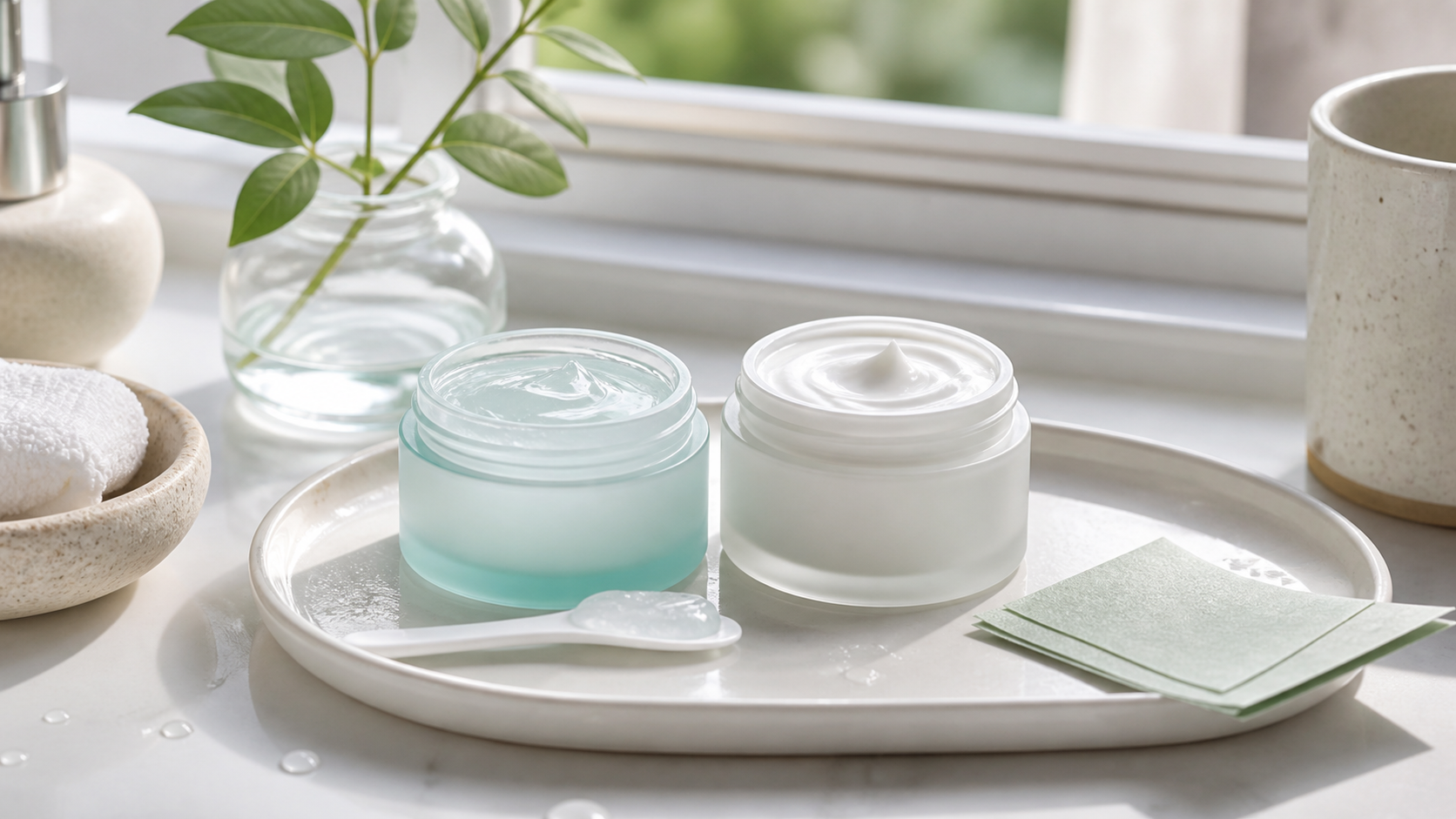
Gel creams usually contain a high percentage of water and ingredients such as glycerin, panthenol, beta-glucan, or hyaluronic acid. They spread easily, absorb quickly, and tend to sit comfortably under sunscreen. For humid weather or a busy morning routine, that light finish can be a real advantage.
- Feels light on oily areas
- Layers well under sunscreen and makeup
- Works well in warm or humid weather
- Can reduce the urge to skip moisturizer completely
The downside is that some gel creams rely heavily on humectants but contain very few emollients or occlusives. In dry air, they may feel refreshing for an hour and then leave the skin tight again. If that happens, it does not mean gel textures are bad. It usually means the formula is not sealing in enough moisture for your current skin condition.
What a ceramide cream does well
Ceramides are lipids naturally found in the outer layer of skin. In a moisturizer, they are commonly paired with cholesterol, fatty acids, squalane, or plant oils. These formulas are designed to reduce water loss and make compromised skin feel more comfortable.
- Better for tightness, flaking, and barrier discomfort
- Useful after over-exfoliation or during cold weather
- Often keeps skin comfortable for longer
- Can be applied only to dry areas instead of the whole face
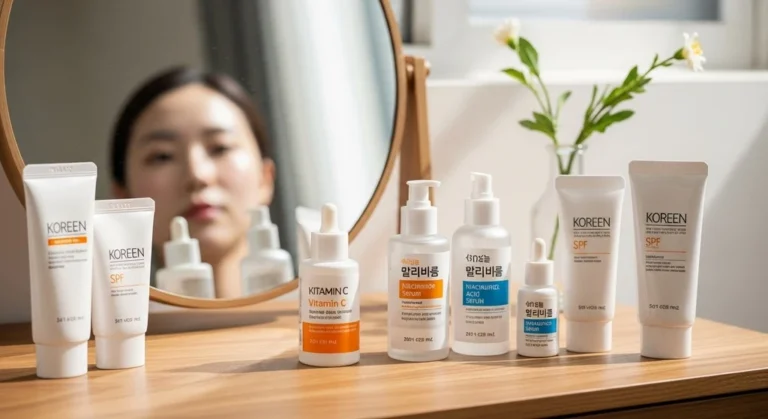
A ceramide cream does not have to be thick or greasy. Many Korean moisturizers use ceramides in lotion-like formulas. Still, if the product also contains a lot of heavy oils or waxes, it may feel too rich on a very oily T-zone. Texture matters more than the word “ceramide” on the label.
A quick side-by-side comparison
| What to compare | Gel cream | Ceramide cream |
|---|---|---|
| Finish | Fresh and lightweight | Soft and more protective |
| Best time | Morning or humid weather | Night or dry weather |
| Main strength | Adds water without heaviness | Helps reduce moisture loss |
| Possible drawback | May not last long enough | May feel rich on oily areas |
How to choose without buying both
Start by paying attention to how your skin feels two or three hours after moisturizing. If it feels comfortable but looks shiny, a gel cream is probably enough and you may simply be applying too much. If it feels tight, stings when you apply basic products, or develops dry patches, choose a lightweight ceramide lotion or cream instead.
Ingredient lists can help, but they do not tell the whole story. Look for a balanced formula rather than chasing one hero ingredient. Glycerin or hyaluronic acid can provide hydration, while ceramides, squalane, dimethicone, or fatty alcohols can help keep that hydration from escaping.
The routine that makes the most sense
For many people with dehydrated oily skin, the easiest approach is a light gel cream in the morning and a thin layer of ceramide cream at night. You can also use one moisturizer strategically: apply a small amount over the whole face, then add a second thin layer only to the cheeks or other tight areas.
- Cleanse gently with lukewarm water.
- Apply a hydrating toner or serum only if it does not sting.
- Use a small amount of moisturizer on slightly damp skin.
- Finish with sunscreen in the morning.
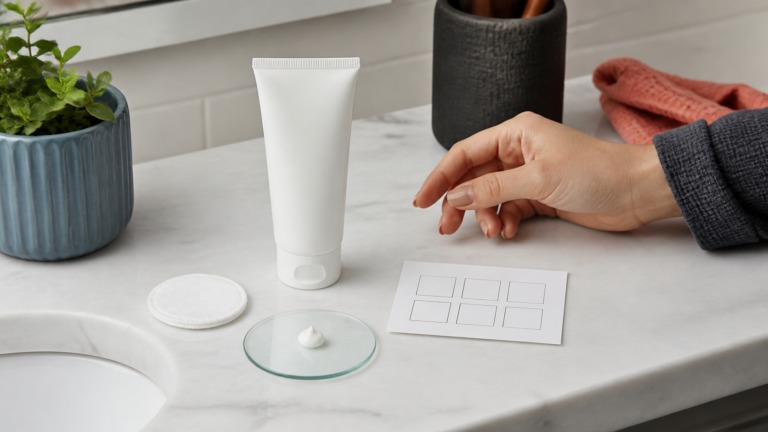
Avoid changing several products at once. Give a simple routine at least one to two weeks unless you notice irritation, itching, swelling, or a sudden breakout. Patch testing is especially useful when your skin barrier already feels unsettled.
My practical verdict
If your main problem is shine and you rarely feel tight, start with a gel cream. If your skin is oily but also flaky, sensitive, or uncomfortable, a lightweight ceramide cream is the safer bet. And if your skin changes with the season, there is no rule saying you must use the same texture all year.
The best moisturizer is not the richest or the lightest one. It is the one that leaves your skin comfortable several hours later without making you want to wash it off. That ordinary, boring comfort is usually a better sign than an instant dewy finish.
This article is for general skincare information and is not medical advice. Persistent irritation, painful acne, or eczema-like symptoms should be discussed with a qualified healthcare professional.