How to Smooth Rough Skin Texture Without Over-Exfoliating
Rough skin texture can make every bump feel like a problem that needs another exfoliating toner. That reaction is understandable, but it often turns a small texture issue into stinging, redness, and even more uneven skin. Sometimes the quickest way to smoother-looking skin is to exfoliate less and support the barrier more.
This guide is a gentle K-beauty approach to rough skin texture. It covers when exfoliation helps, when it is making things worse, and how to build a routine that does not depend on daily acids.
Start by identifying the kind of texture
“Texture” is a broad word. Tiny clogged bumps, dry flakes, enlarged-looking pores, acne, and irritation can all make skin feel uneven, but they do not need the same routine. Before adding a treatment, look closely at what is actually happening.
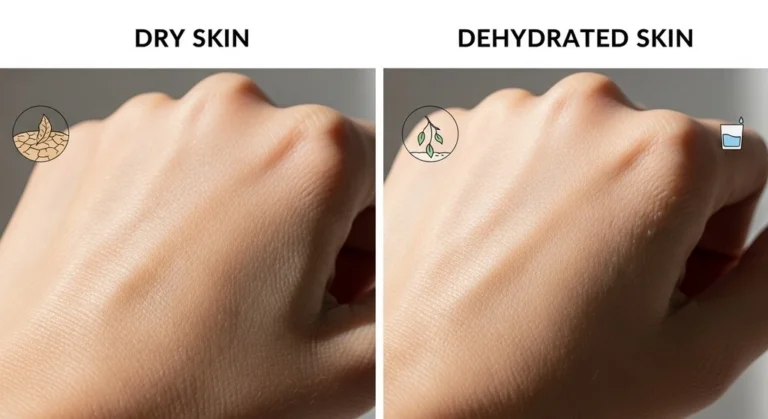
- Dry, papery roughness: often needs hydration and a richer moisturizer.
- Small clogged bumps: may respond to a carefully used salicylic acid product.
- Red, itchy, or burning patches: are a sign to pause actives and seek professional advice if they persist.
- Indented acne scars: cannot be erased by a toner or scrub and may need in-office care.
One product cannot treat every kind of texture. That is why copying somebody else’s daily exfoliation schedule often ends badly.
Signs you may be over-exfoliating
Over-exfoliated skin is not always visibly peeling. It may look unusually shiny, feel tight after washing, sting when you apply a plain moisturizer, or break out in places that are normally calm. Sunscreen and makeup may suddenly look patchy even though you have not changed them.
- Water or bland products sting
- Skin feels both oily and tight
- Redness lasts longer than usual
- Flaking appears around the mouth or nose
- You are using more than one acid, scrub, retinoid, or acne treatment
If several of these sound familiar, stop exfoliating for a while. Adding another acid because the texture looks worse can keep the cycle going.
A simple two-week reset
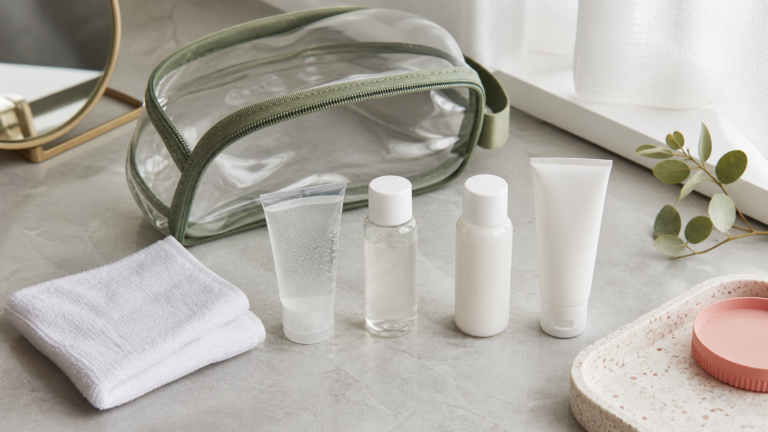
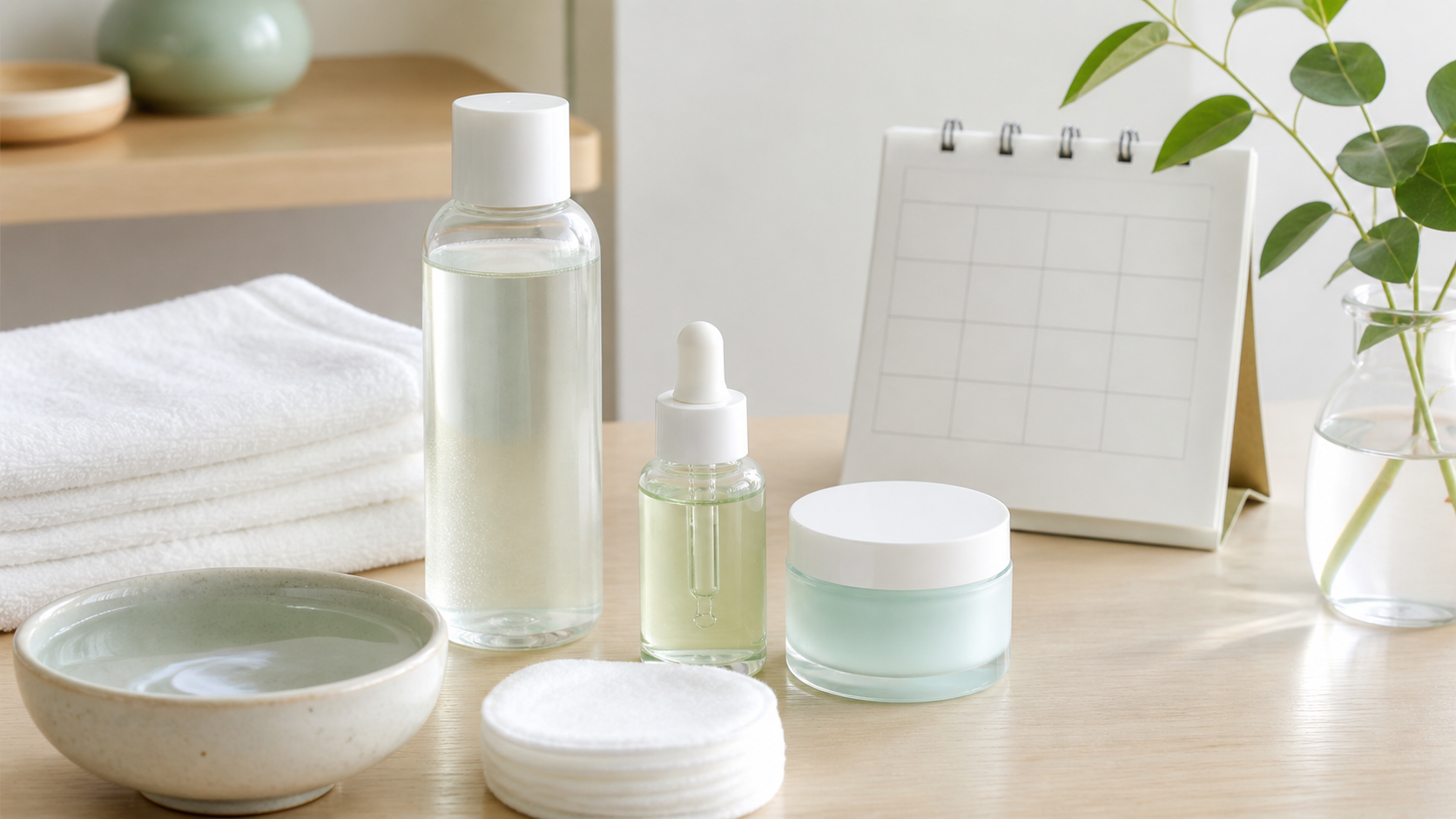
A reset does not need a special “detox” product. Use a gentle cleanser, one moisturizer, and sunscreen. A hydrating toner is optional if it feels comfortable. Keep the routine boring enough that you can tell whether your skin is settling.
| Morning | Night |
|---|---|
| Water rinse or gentle cleanser | Gentle cleanser |
| Light moisturizer if needed | Ceramide or barrier-supporting moisturizer |
| Broad-spectrum sunscreen | No scrub, peel, or exfoliating pad |
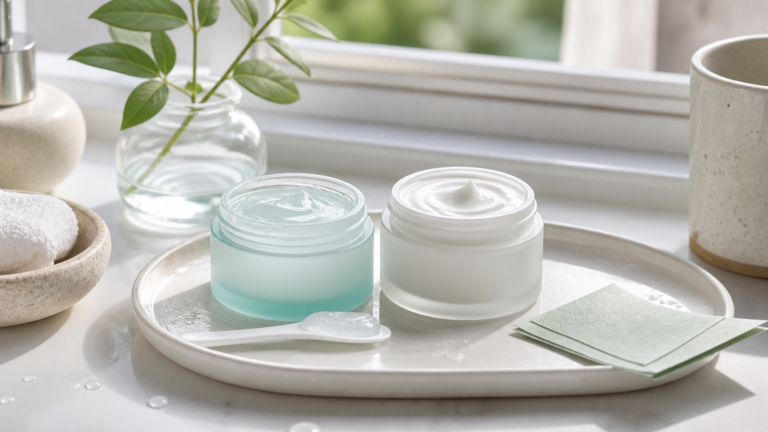
Choose fragrance-free products if your skin is currently reactive. Helpful ingredients can include glycerin, panthenol, beta-glucan, squalane, ceramides, and dimethicone. You do not need all of them in one formula. A moisturizer that does not sting is already doing important work.
When to bring exfoliation back
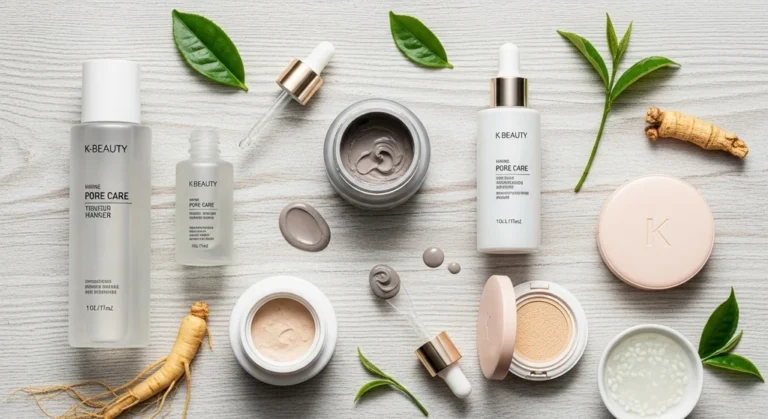
Wait until cleansing and moisturizing feel normal again. Then introduce one exfoliating product, not several. For clogged pores and oily areas, a low-strength salicylic acid product once or twice a week is a reasonable starting point. For surface dullness, a mild lactic or mandelic acid may feel gentler than a strong glycolic peel.
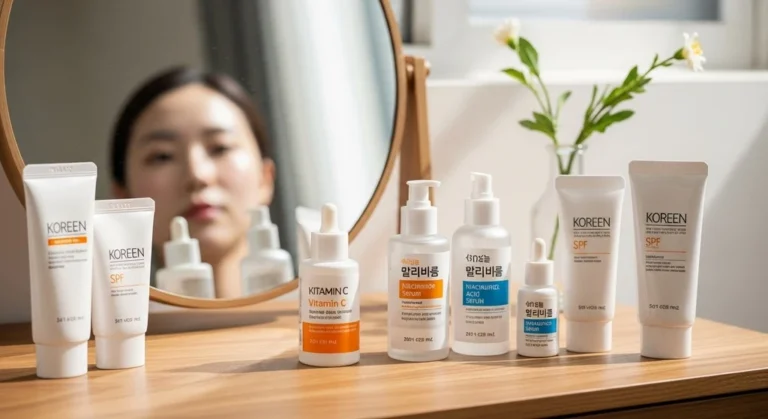
Use the product at night and skip other strong actives that evening. Apply it to dry skin if the directions allow, then follow with moisturizer. The next morning, sunscreen matters because freshly exfoliated skin can be more sensitive to sun exposure.
Why scrubbing usually backfires
A rough washcloth, cleansing brush, or grainy scrub can make skin feel smooth for a few hours by removing surface flakes. The problem is that repeated friction can irritate the skin and make redness more noticeable. If you enjoy a physical scrub, keep the pressure light and do not combine it with an acid on the same day.
Exfoliating pads also count as physical friction, even when they contain a chemical exfoliant. One gentle pass is enough. Rubbing until the pad looks dirty is not a useful measure of clean skin.
Habits that quietly improve texture
- Use lukewarm water instead of very hot water.
- Apply moisturizer before skin becomes completely dry.
- Clean makeup tools and pillowcases regularly.
- Avoid picking small bumps, which can turn temporary texture into a lasting mark.
- Introduce only one new active at a time.
- Use sunscreen consistently so old marks do not become more noticeable.
None of these habits gives the dramatic overnight feeling of a peel, but they are easier to repeat and less likely to set your skin back.
A realistic weekly routine
Once your skin is comfortable, keep exfoliation to one or two evenings a week at first. Use hydration and moisturizer on the other nights. If you also use a retinoid, put it on a different night until you know how your skin responds. More active nights are not automatically better.
Take a photo in the same lighting every two weeks instead of checking the mirror several times a day. Texture changes slowly, and consistent photos make it easier to see whether the routine is helping or simply irritating your skin.
The bottom line
For rough skin texture, the goal is not to remove as much skin as possible. It is to keep the surface calm enough to renew normally. Start with a barrier-friendly routine, add one mild exfoliant only when your skin is comfortable, and adjust based on what you can actually tolerate.
Persistent itching, pain, inflamed acne, or a rash deserves proper medical guidance. This article is general skincare information, not a diagnosis or a substitute for care from a qualified healthcare professional.